Understanding Phishing Attacks and How to Prevent Them
Phishing attacks represent one of the most common and dangerous cyber threats facing individuals and organizations today. These attacks exploit human psychology and technological vulnerabilities to steal sensitive information such as login credentials, financial data, and personal identification. In this guide, we will explore what phishing attacks are, delve into their mechanics, and provide comprehensive strategies for phishing attack prevention.
What is a Phishing Attack?
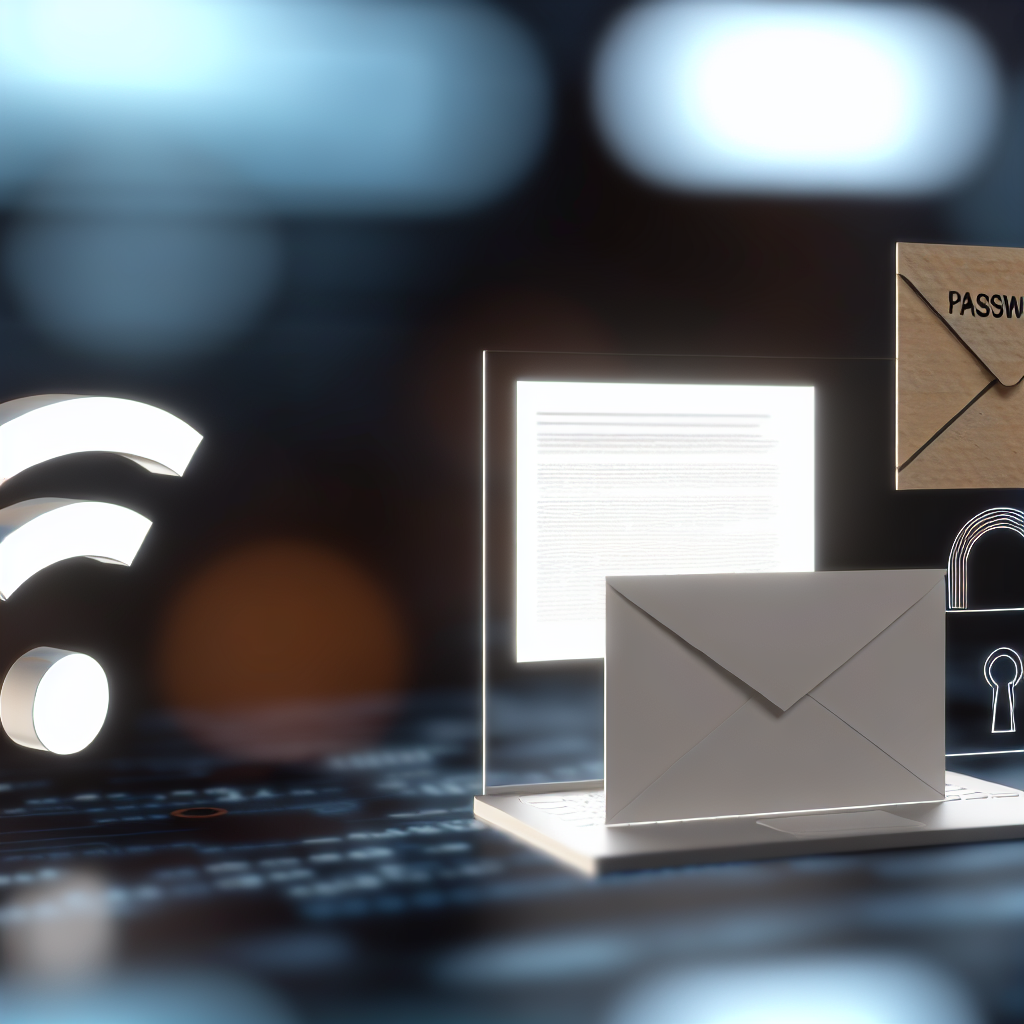
A phishing attack is a cybercrime in which an attacker masquerades as a trusted entity to deceive individuals into divulging sensitive information. Typically, these attacks are conducted via email, social media, or other messaging platforms and are designed to look like legitimate communications from reputable sources.
Types of Phishing Attacks
Phishing attacks come in various forms, each with unique characteristics aimed at specific targets. Email phishing is the most common, where attackers send fraudulent messages that appear to be from well-known companies. Spear phishing is more targeted, focusing on specific individuals or organizations, often using information gathered from social media profiles to make the attack more convincing. Whaling targets high-profile individuals such as executives, while smishing and vishing involve SMS and voice calls, respectively.
Each type of phishing attack utilizes different strategies, but the ultimate goal remains the same: to trick victims into providing sensitive information or downloading malicious software.
How Phishing Attacks Work
Understanding the intricacies of phishing attack mechanics is essential for effective prevention. These attacks typically follow a structured approach that involves several stages.
The Anatomy of a Phishing Attack
Phishing attacks usually begin with extensive research. Attackers often gather data about their targets to increase the likelihood of success. This information can be obtained from social media profiles, company websites, and other publicly available resources. Once equipped with sufficient data, attackers craft messages that appear legitimate and relevant to the target.
The next stage involves delivery. The attacker sends the crafted message to the target, often using spoofed email addresses or phone numbers to mimic trusted contacts. If the victim falls for the bait, they may click on a malicious link or download an attachment embedded with malware.
Email Spoofing and Infrastructure
Email spoofing is a common technique used in phishing attacks. It involves altering the email header to make it appear as though the message is coming from a trusted source. Attackers use various tools and services to accomplish this, exploiting vulnerabilities in the Simple Mail Transfer Protocol (SMTP), which does not authenticate senders by default.
Additionally, attackers often set up fraudulent websites that mimic legitimate ones. These sites are designed to capture login credentials and other sensitive information. The infrastructure used in these attacks can be highly sophisticated, involving multiple servers to distribute the phishing emails and host the fake websites.
Phishing Attack Prevention Strategies
Preventing phishing attacks requires a multi-faceted approach that combines technology, education, and vigilance. Here are some effective strategies to safeguard against phishing attempts.
Implementing Technical Defenses
One of the first lines of defense against phishing attacks is the use of robust technical solutions. Organizations should deploy email filtering systems that can detect and block suspicious messages. These systems use machine learning algorithms to identify potential threats based on patterns and behaviors.
Additionally, implementing Domain-based Message Authentication, Reporting & Conformance (DMARC) can help prevent email spoofing by allowing email receivers to verify the authenticity of the sender’s domain. Regular updates and patches to software and operating systems are also crucial to protect against vulnerabilities that phishing attacks might exploit.
Educating Employees and Users
Human error is often the weakest link in cybersecurity. Educating employees and users about the dangers of phishing is vital. Regular training sessions can help individuals recognize the signs of phishing attempts, such as suspicious email addresses, urgent language, and unexpected attachments or links.
Encouraging a culture of skepticism and caution can significantly reduce the risk of successful phishing attacks. Users should be taught to verify the legitimacy of communications independently, using known contact information rather than relying on the details provided in the message.
Advanced Detection and Response Techniques
As phishing attacks evolve, so too must the methods used to detect and respond to them. Advanced technologies, such as artificial intelligence and machine learning, are playing an increasingly important role in identifying and mitigating phishing threats.
Leveraging Artificial Intelligence
Artificial intelligence (AI) can analyze vast amounts of data in real time, identifying anomalies and patterns that may indicate a phishing attempt. AI-driven systems can provide instant alerts to security teams, allowing for rapid response to potential threats. These systems can also learn from previous incidents, improving their detection capabilities over time.
Moreover, AI can help automate the incident response process, reducing the time between detection and remediation. This is particularly valuable in large organizations where the volume of potential threats can be overwhelming for human operators to manage alone.
Integrating Threat Intelligence
Threat intelligence involves gathering and analyzing data about current and emerging threats. By integrating threat intelligence into security systems, organizations can stay ahead of phishing tactics. This information can be used to update security protocols and inform employees about new phishing schemes.
Collaborating with external cybersecurity firms can also enhance an organization’s ability to detect and respond to phishing attacks. These partnerships provide access to broader threat intelligence networks and specialized expertise.
Modern Phishing Techniques and Trends
Phishing attacks are constantly evolving, with attackers developing new techniques to bypass security measures and deceive victims. Keeping informed about these trends is essential for effective prevention.
Targeted Phishing Campaigns
Attackers are increasingly employing highly targeted phishing campaigns, often referred to as spear phishing. These campaigns involve extensive research on the target to craft personalized messages that increase the likelihood of success. For example, attackers may reference specific projects or use familiar language to gain the victim’s trust.
This level of personalization requires organizations to adopt more sophisticated detection methods that can identify subtle indicators of phishing attempts. Training employees to recognize these tailored attacks is also crucial.
Use of Social Engineering
Social engineering is a tactic used by phishers to manipulate individuals into divulging confidential information. This approach often involves building a sense of urgency or exploiting emotions to override the target’s better judgment. Attackers may pose as authority figures or trusted colleagues to gain compliance.
Organizations can counteract social engineering by fostering a culture of skepticism and empowering employees to question unusual requests. Regular drills and simulations can also help employees practice their responses to potential phishing scenarios.
Conclusion
Phishing attacks remain a pervasive threat in the cybersecurity landscape, but with the right prevention strategies, individuals and organizations can significantly reduce their risk. By understanding the mechanics of phishing, implementing robust technical defenses, and fostering a culture of vigilance and education, it is possible to stay one step ahead of attackers. For more insights into securing your digital environment, explore our comprehensive cybersecurity guides and keep updated with the latest IT security trends. For further reading, consider external resources such as this detailed phishing report.