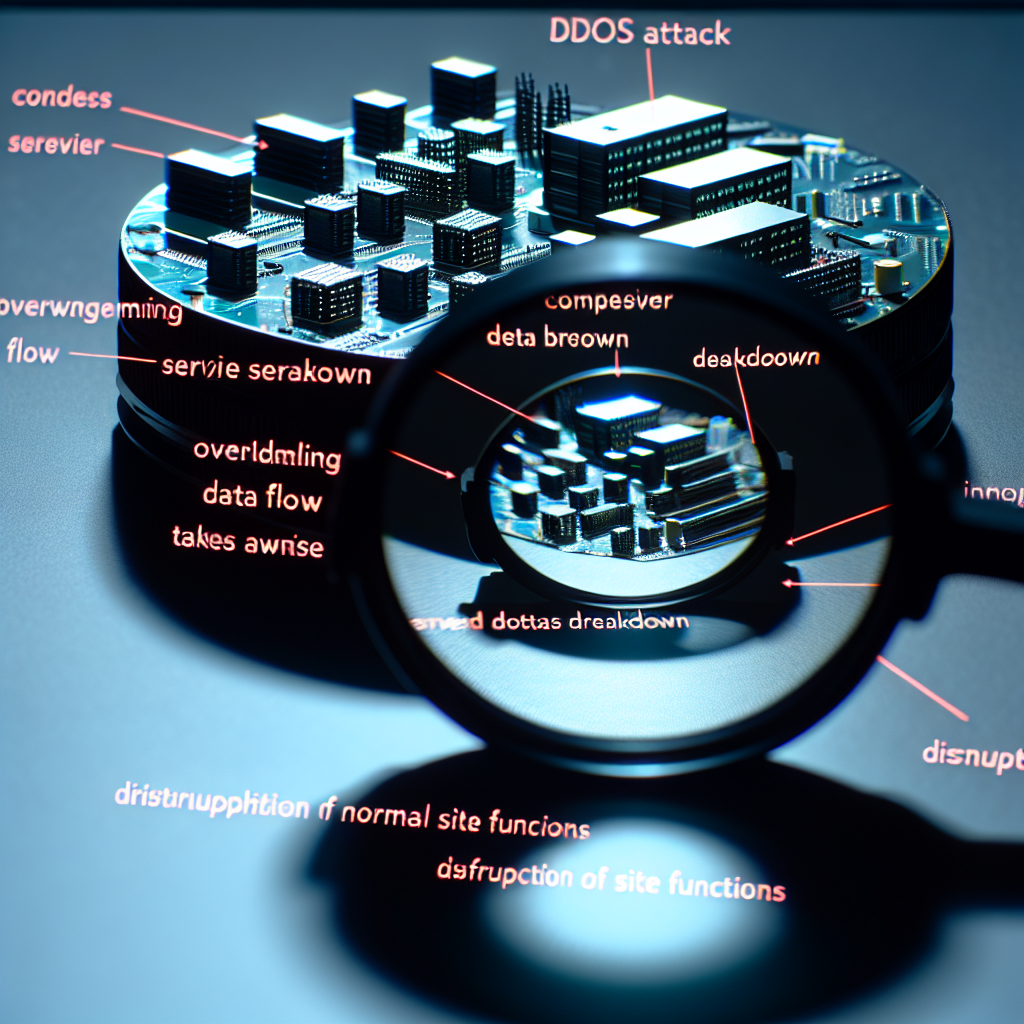
Understanding DDoS Attacks: A Beginner’s Guide
In today’s digital age, one of the most significant threats to website availability is the Distributed Denial of Service (DDoS) attack. This case study will explore a DDoS attack example, illustrating how such an attack can cripple a website and the measures that can be taken to prevent it.
DDoS attacks have become increasingly common, targeting businesses of all sizes worldwide. Understanding how they work and how to protect against them is essential for maintaining cybersecurity and ensuring continuous online presence.
What is a DDoS Attack?
A Distributed Denial of Service (DDoS) attack is a malicious attempt to disrupt the normal traffic of a targeted server, service, or network by overwhelming the target or its surrounding infrastructure with a flood of Internet traffic. DDoS attacks achieve effectiveness by utilizing multiple compromised computer systems as sources of attack traffic.
Think of a DDoS attack as a traffic jam clogging up the highway, preventing regular traffic from arriving at its desired destination. This type of attack is particularly insidious because it comes from multiple sources, making it difficult to stop and mitigate.
Technical Explanation: How DDoS Attacks Work
A deeper technical understanding of DDoS attacks reveals how they exploit network resources. Attackers typically use a network of computers and IoT devices, known as a botnet, to launch the attack. These devices have been infected with malware that allows the attacker to control them remotely.
Once the botnet is activated, it sends massive amounts of traffic to the victim’s server, overwhelming it and causing service disruption. The attack can exploit various layers of the OSI model, from the network to the application layer, utilizing different methods such as SYN floods, UDP floods, and HTTP floods to achieve its goals.
Botnets and Their Role
Botnets play a crucial role in DDoS attacks. These networks of infected devices can consist of thousands, or even millions, of machines globally. Each device sends requests to the target, creating a flood of traffic that the server cannot handle.
The sheer volume of traffic from a botnet can quickly exhaust the target’s resources, leading to downtime and potential financial losses. This makes it essential for organizations to understand the signs of a botnet infection in their systems and take proactive measures to secure their networks.
Real-World DDoS Attack Example
One notable DDoS attack example occurred against a major financial institution. The attack was executed over several days, using a botnet composed of over 100,000 devices. The attackers targeted the institution’s online banking services, resulting in significant downtime and customer dissatisfaction.
The attack’s impact was severe, causing the institution to suffer financial losses and damage to its reputation. This case highlights the importance of having robust DDoS mitigation strategies in place, especially for businesses in critical sectors such as finance.
Consequences of a Successful DDoS Attack
A successful DDoS attack can have far-reaching consequences for the targeted organization. The immediate effect is the unavailability of services, leading to frustrated users and potential loss of revenue. Additionally, extended downtime can harm a company’s reputation, eroding customer trust and loyalty.
Furthermore, the costs associated with mitigating the attack, restoring services, and implementing enhanced security measures can be substantial. These financial and reputational damages underscore the necessity of proactive cybersecurity measures to protect against such threats.
Preventing DDoS Attacks: Proactive Measures
Preventing DDoS attacks requires a multi-layered approach to cybersecurity. Organizations should start by implementing robust network security protocols and using advanced firewall configurations to filter out malicious traffic. Regularly updating software and systems also plays a critical role in minimizing vulnerabilities.
Additionally, utilizing DDoS protection services from reputable providers can offer real-time traffic analysis and mitigation strategies. These services are designed to detect and neutralize DDoS threats before they can impact the target infrastructure, ensuring continuous service availability.
Practical Steps for Businesses
Businesses should conduct regular security audits to identify potential weaknesses in their networks. Implementing intrusion detection systems (IDS) can help monitor and identify unusual traffic patterns indicative of a DDoS attack. Having a response plan in place can significantly reduce response time and mitigate damage.
Employee training is another crucial aspect of DDoS prevention. Educating staff about cybersecurity best practices can help prevent the inadvertent download of malware that could contribute to a botnet. For more detailed strategies, consider consulting with cybersecurity experts or visiting resources like this comprehensive guide.
The Future of DDoS Attacks
As technology evolves, so do the methods employed by cybercriminals. DDoS attacks are becoming more sophisticated, with attackers using techniques such as AI-driven botnets to increase their effectiveness. This evolving threat landscape necessitates continuous adaptation and enhancement of cybersecurity measures.
Organizations are encouraged to stay informed about the latest trends in DDoS attack methodologies and invest in ongoing staff training and technology upgrades. By doing so, they can better protect their digital assets and maintain trust with their customers.
For more insights on enhancing your cybersecurity posture and protecting against various cyber threats, explore our Cyber Awareness section. Stay proactive and ensure your business is well-equipped to handle any potential DDoS threats.