AI vs Cybersecurity: The Ultimate Battle in Modern Technology
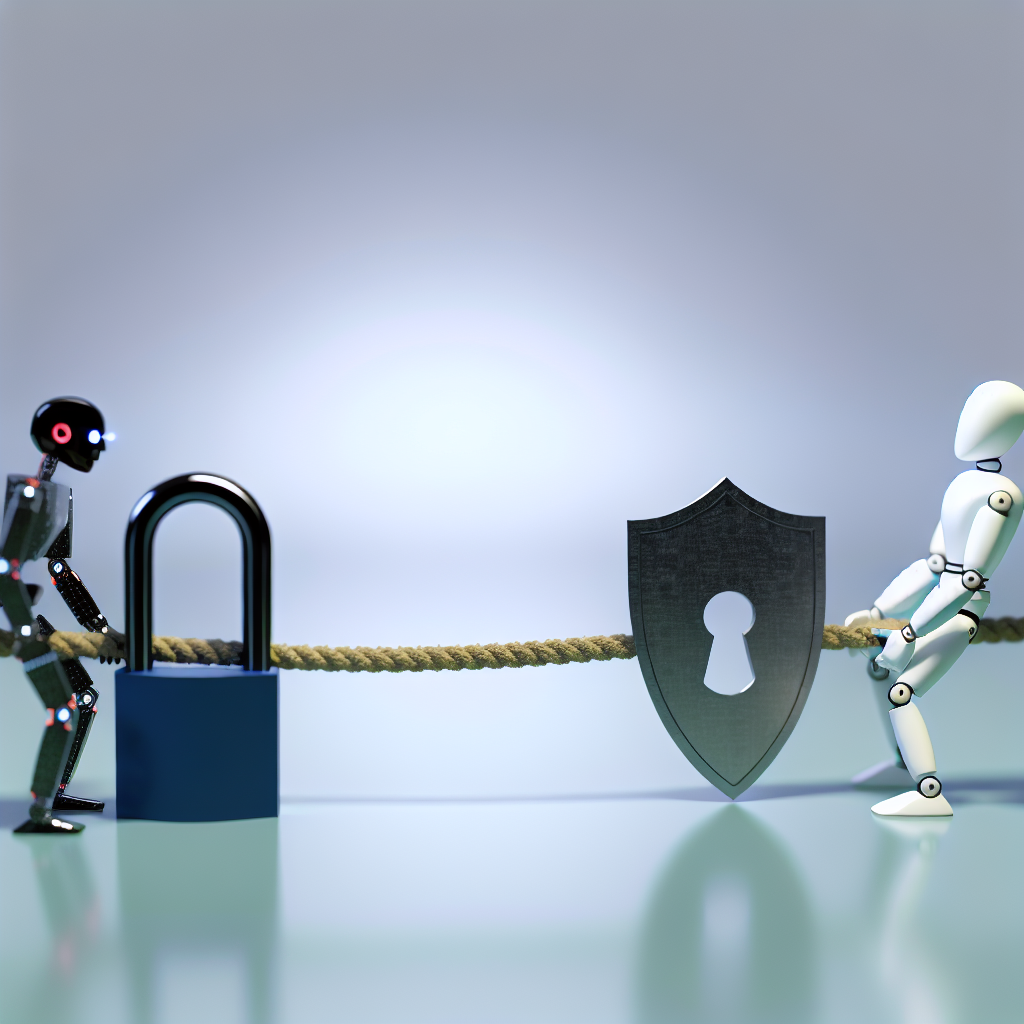
AI vs cybersecurity has become a hot topic as both technologies continue to evolve at a rapid pace. With the increasing sophistication of cyber threats, the question arises: can AI effectively enhance cybersecurity measures, or does it pose a greater risk by empowering cybercriminals? This battle between innovation and security is shaping the future of digital landscapes, making it crucial to understand the dynamics between AI and cybersecurity.
As organizations become more reliant on digital systems, the potential for AI to both protect and attack these systems grows. Companies are investing heavily in AI-driven cybersecurity solutions to detect threats faster and automate responses, aiming to bolster their defenses against potential breaches. However, cybercriminals are also leveraging AI to develop more advanced attack vectors, creating an arms race in the cybersecurity domain.
The Role of AI in Enhancing Cybersecurity
AI’s ability to process large volumes of data and identify patterns makes it an invaluable tool in cybersecurity. By integrating AI into Security Operations Centers (SOCs), organizations can enhance their detection and response capabilities. AI-driven tools such as Security Information and Event Management (SIEM) systems, Endpoint Detection and Response (EDR) solutions, and Security Orchestration, Automation, and Response (SOAR) platforms are becoming standard in modern cybersecurity architectures.
These tools leverage machine learning algorithms to identify anomalies and potential threats in real-time, significantly reducing the time it takes to detect and mitigate risks. For instance, AI-powered SIEM systems can analyze logs from various sources, detect unusual activities, and alert security teams to potential breaches. Similarly, EDR tools equipped with AI can monitor endpoint activities and automatically isolate compromised devices, preventing lateral movement within the network.
Moreover, AI enhances threat intelligence by continuously analyzing vast amounts of data from multiple sources, identifying emerging threats, and providing actionable insights. This capability allows organizations to stay ahead of cybercriminals by proactively adjusting their security measures.
AI as a Double-Edged Sword: Risks and Challenges
While AI offers significant advantages in strengthening cybersecurity, it also poses new challenges. Cybercriminals are using AI to develop sophisticated attack techniques, such as AI-powered malware and automated phishing schemes. These AI-enhanced attacks can adapt to defenses, making them more difficult to detect and neutralize.
One of the primary concerns is the potential for AI to automate the discovery of vulnerabilities in software and systems. By using AI algorithms, attackers can rapidly scan and exploit weaknesses before they are patched, increasing the risk of zero-day attacks. Additionally, AI can be used to bypass traditional security measures by mimicking legitimate user behaviors, complicating the task of distinguishing between normal and malicious activities.
Moreover, the integration of AI into cybersecurity systems introduces the risk of adversarial attacks, where attackers manipulate AI models to cause them to misinterpret data. This can lead to incorrect threat assessments and undermine the effectiveness of AI-driven security measures.
Real-World Scenarios: AI in Action
To understand the impact of AI in cybersecurity, let’s examine some real-world scenarios. In one instance, a financial institution implemented an AI-driven SIEM system to monitor network traffic and detect anomalies. The system successfully identified a data exfiltration attempt by analyzing unusual data transfer patterns, enabling the security team to respond swiftly and prevent data loss.
Conversely, an e-commerce platform fell victim to an AI-powered phishing attack. The attackers used machine learning to craft convincing fake emails that mimicked legitimate communications from the company. Despite having traditional security measures in place, the platform’s employees were deceived, leading to a compromise of sensitive customer data.
These scenarios highlight the dual nature of AI in cybersecurity, demonstrating its potential to both defend against and facilitate cyber threats.
Implementing AI-Driven Cybersecurity: Best Practices
To maximize the benefits of AI in cybersecurity, organizations must adopt best practices for implementation. First, it is essential to integrate AI into existing security frameworks, ensuring seamless collaboration with other security tools and processes. This integration enhances overall security posture and allows for comprehensive threat detection and response.
Organizations should also invest in training their cybersecurity personnel to understand and manage AI-driven tools effectively. This includes developing skills in data analysis, machine learning, and threat intelligence to leverage AI capabilities fully. Additionally, fostering a culture of continuous learning and adaptation is crucial, as AI technologies and cyber threats evolve rapidly.
Regularly updating AI models and algorithms is another critical practice. By continuously refining these models, organizations can improve their accuracy in threat detection and reduce false positives. Collaboration with industry peers and participation in cybersecurity forums also help organizations stay informed about emerging threats and AI advancements.
Addressing Operational Challenges in AI-Driven Cybersecurity
Implementing AI in cybersecurity comes with operational challenges that organizations must address to ensure success. One significant challenge is the integration of AI tools with existing IT infrastructure. Compatibility issues and the need for additional resources can hinder smooth implementation, requiring careful planning and coordination.
Another challenge is managing the volume of data generated by AI-driven systems. These tools can produce a vast amount of alerts and insights, overwhelming security teams if not properly managed. Implementing effective data management and prioritization strategies is essential to avoid alert fatigue and ensure timely responses to critical threats.
Organizations must also consider the ethical implications of using AI in cybersecurity. Ensuring transparency in AI algorithms and decision-making processes is vital to maintain trust and accountability. Developing clear policies and guidelines for AI use can help organizations navigate these ethical considerations.
Future of AI vs Cybersecurity: A Balanced Approach
As AI continues to evolve, its role in cybersecurity will undoubtedly expand. Striking a balance between leveraging AI for defense and mitigating its potential risks is crucial for organizations aiming to secure their digital assets. By adopting a balanced approach, organizations can harness AI’s power to enhance their cybersecurity posture while staying vigilant against AI-driven threats.
Looking ahead, collaboration between AI and cybersecurity experts will be key to developing robust defenses against sophisticated attacks. Organizations that prioritize continuous learning, innovation, and adaptation will be better equipped to navigate the dynamic landscape of AI and cybersecurity.
The battle between AI and cybersecurity is ongoing, with both sides continually advancing their capabilities. Organizations must recognize this dynamic and proactively invest in AI-driven solutions, training, and collaboration to stay ahead in this ever-evolving field.