Understanding AI Cyber Simulation
AI cyber simulation is revolutionizing how organizations prepare for and respond to cyber threats. By leveraging artificial intelligence, cybersecurity teams can simulate complex attack scenarios, predict potential vulnerabilities, and fortify their defenses. This meticulous process involves creating a controlled environment where AI-driven algorithms mimic real-world cyber attacks, allowing analysts to study their impact and refine defense strategies.
The evolution of AI technologies has significantly enhanced the capabilities of cyber simulations. Traditional methods of manual testing are being replaced by sophisticated AI systems that can analyze vast amounts of data in real-time. These systems not only simulate attacks but also learn and adapt, providing insights into new threat vectors and attack methodologies. As a result, organizations can proactively address weaknesses before they are exploited by actual adversaries.
The Role of AI in Cyber Warfare
Artificial intelligence plays a pivotal role in the landscape of cyber warfare. By automating various aspects of cybersecurity, AI systems can detect, analyze, and respond to threats more efficiently than human operators alone. One of the key advantages of AI in this domain is its ability to process and correlate data from multiple sources, providing a comprehensive view of potential threats.
AI technologies such as machine learning and deep learning are essential in enhancing threat detection capabilities. These technologies enable the analysis of patterns and anomalies in network traffic, identifying potential threats before they manifest into attacks. Furthermore, AI can automate the response to detected threats, minimizing the time taken to neutralize them and reducing the overall impact on the organization.
AI-Powered Threat Intelligence
AI-powered threat intelligence systems use vast datasets to identify indicators of compromise (IOCs) and predict future attack trends. By analyzing historical attack data and current threat landscapes, these systems can provide actionable insights that enhance an organization’s security posture. The ability to anticipate threats allows organizations to implement proactive measures, reducing their vulnerability to emerging cyber threats.
Integrating AI into threat intelligence also enables more effective sharing of information across different sectors. By collaborating and exchanging threat data, organizations can benefit from a collective defense approach, improving their resilience against cyber attacks. This collaborative effort is supported by frameworks such as the MITRE ATT&CK, which provides a comprehensive knowledge base of adversary tactics and techniques.
Implementing AI Cyber Simulation in Security Operations Centers (SOCs)
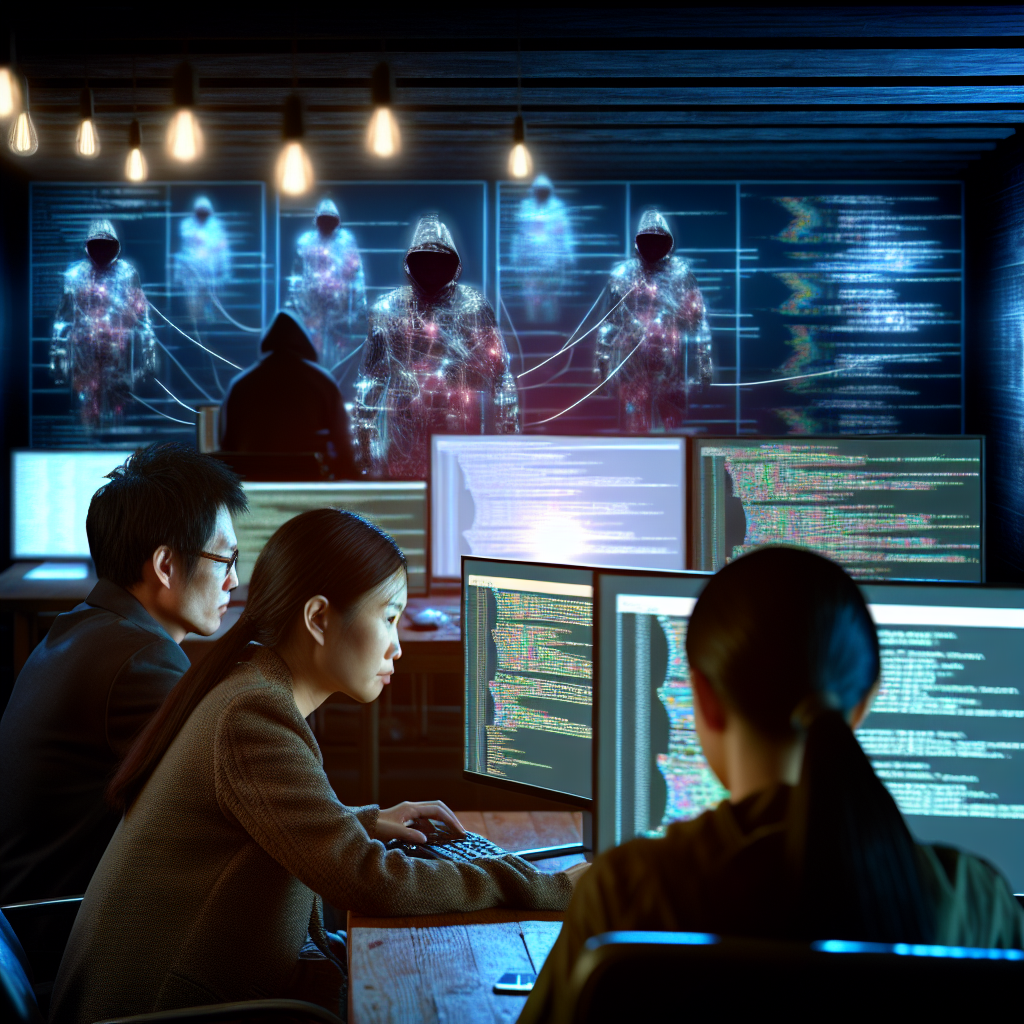
Security Operations Centers (SOCs) are at the forefront of implementing AI cyber simulation. By integrating AI systems into their operations, SOCs can enhance their detection and response capabilities, improving overall security posture. The implementation involves several key components, each playing a crucial role in the simulation process.
SIEM (Security Information and Event Management) systems are essential for collecting and analyzing security data from across the network. By incorporating AI, these systems can identify patterns and anomalies that may indicate a cyber attack. EDR (Endpoint Detection and Response) solutions further enhance this capability by monitoring endpoints for suspicious activity, providing real-time alerts to the SOC team.
SOAR (Security Orchestration, Automation, and Response)
SOAR platforms are integral to the automation of threat response processes. By using AI-driven playbooks, SOAR systems can automate routine security tasks, allowing SOC analysts to focus on more complex threats. This not only improves response times but also ensures a consistent and efficient approach to threat management.
AI cyber simulation within SOCs also involves continuous monitoring and assessment of the network. By simulating various attack scenarios, SOC teams can evaluate their incident response plans, identifying areas for improvement. This iterative process ensures that organizations are prepared for evolving threats, enhancing their overall resilience.
Designing Effective AI Cyber Simulations
Designing effective AI cyber simulations requires a comprehensive understanding of potential threat scenarios and the organization’s unique security landscape. The simulation process should begin with a thorough risk assessment, identifying critical assets and potential vulnerabilities. Based on this assessment, simulation scenarios can be tailored to address specific threats and security challenges.
One of the key elements of designing effective simulations is the incorporation of realistic attack scenarios. This involves simulating the tactics, techniques, and procedures (TTPs) used by cyber adversaries, providing a realistic environment for testing defense strategies. By including a wide range of attack vectors, organizations can ensure their defenses are robust and adaptable to various threat scenarios.
Leveraging AI for Scenario Development
AI systems can enhance scenario development by analyzing historical attack data and identifying emerging threat trends. By leveraging machine learning algorithms, simulation scenarios can be continually updated to reflect the latest threat landscape. This dynamic approach ensures that simulations remain relevant and effective in preparing organizations for real-world cyber threats.
Furthermore, AI can automate the process of scenario execution, allowing for continuous testing and refinement of security measures. This automation reduces the resources required for manual testing and increases the frequency of simulations, providing ongoing insights into the organization’s security posture.
Challenges and Solutions in AI Cyber Simulation
Despite the benefits of AI cyber simulation, organizations may encounter several challenges during implementation. One of the primary challenges is the integration of AI systems with existing infrastructure. Organizations must ensure that AI tools are compatible with their current security architecture and that data is effectively shared across systems.
Another challenge is the need for skilled personnel to manage and interpret the outputs of AI-driven simulations. While AI can automate many aspects of the simulation process, human expertise is essential for analyzing results and making informed decisions. Organizations must invest in training and development to ensure their teams have the necessary skills to leverage AI technologies effectively.
Ensuring Data Privacy and Compliance
Data privacy and compliance are critical considerations in AI cyber simulation. Organizations must ensure that simulations are conducted in a manner that complies with relevant regulations and standards. This includes ensuring that sensitive data is protected and that simulations do not inadvertently expose vulnerabilities to unauthorized parties.
By implementing robust data governance frameworks and conducting regular audits, organizations can address these challenges and ensure compliance. This proactive approach not only mitigates risks but also enhances trust and confidence in the organization’s cybersecurity capabilities.
Best Practices for AI Cyber Simulation
To maximize the effectiveness of AI cyber simulations, organizations should adhere to several best practices. First, simulations should be conducted regularly and integrated into the organization’s overall security strategy. This ensures that simulations remain relevant and provide continuous insights into potential vulnerabilities.
Organizations should also prioritize collaboration and information sharing. By engaging with industry peers and participating in threat intelligence communities, organizations can enhance their simulations with diverse insights and experiences. This collaborative approach not only improves the quality of simulations but also strengthens the organization’s overall security posture.
Continuous Improvement and Adaptation
Continuous improvement is essential for maintaining effective AI cyber simulations. Organizations should establish feedback loops to evaluate the outcomes of simulations and implement necessary improvements. By fostering a culture of continuous learning and adaptation, organizations can ensure their simulations remain effective in an ever-evolving threat landscape.
Additionally, organizations should invest in research and development to explore new AI technologies and methodologies. By staying at the forefront of technological advancements, organizations can enhance their simulation capabilities and maintain a competitive edge in cybersecurity.
Conclusion
AI cyber simulation represents a critical advancement in the field of cybersecurity. By leveraging AI technologies, organizations can simulate complex attack scenarios, identify potential vulnerabilities, and enhance their defenses. Despite the challenges of implementation, the benefits of AI-driven simulations are substantial, providing organizations with the insights needed to proactively address emerging threats.
As cyber threats continue to evolve, organizations must remain vigilant and adaptable. By embracing AI cyber simulation and adhering to best practices, organizations can ensure they are prepared for the challenges of modern cyber warfare, safeguarding their assets and maintaining trust with stakeholders.