Introduction to ChatGPT Cyber Attacks
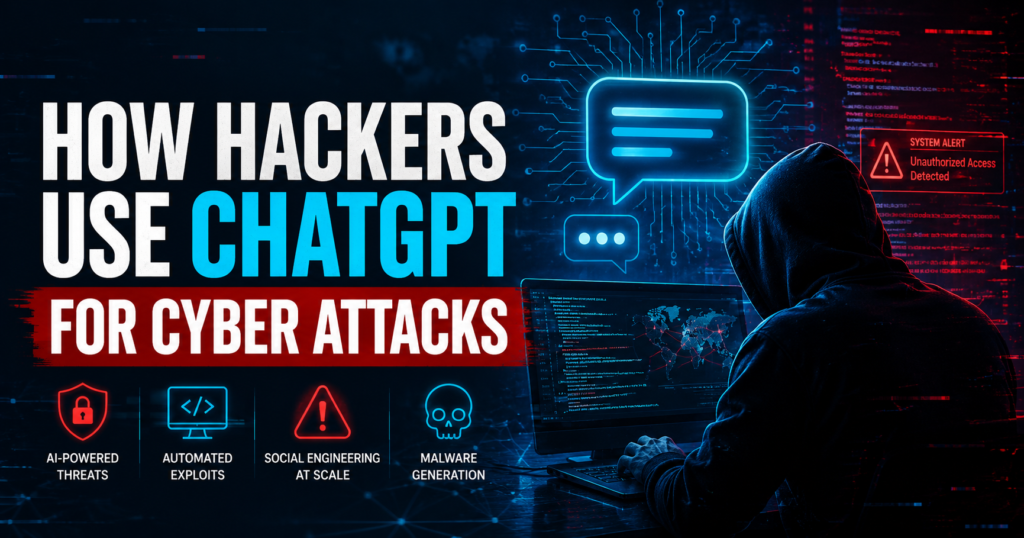
ChatGPT cyber attacks have emerged as a significant threat to cybersecurity, with hackers leveraging advanced AI models to craft sophisticated and targeted attack campaigns. This rapidly evolving risk highlights the urgency for businesses and individuals to understand these new tactics and implement effective defenses. The integration of AI tools like ChatGPT into cybercriminal arsenals poses specific challenges, such as automated phishing and social engineering attacks, which can lead to severe financial and data losses.
In recent months, cybersecurity experts have observed a surge in the misuse of AI technologies, particularly ChatGPT, by malicious actors. These attackers exploit the model’s capabilities to generate convincing fake emails, scripts, or even malware, making it increasingly difficult for traditional security measures to detect and prevent such threats. The implications of these attacks are profound, affecting sectors from finance to healthcare, where data integrity and privacy are paramount.
How Hackers Exploit ChatGPT for Cyber Attacks
Understanding how hackers use ChatGPT for cyber attacks is crucial for developing robust defense strategies. The process typically begins with the hacker accessing a public endpoint where ChatGPT or similar AI models are available. This entry point allows them to interact with the AI, generating content that can bypass conventional security filters.
Exploitation Steps
The exploitation method involves the attacker leveraging the AI’s natural language processing capabilities to produce phishing emails, malicious scripts, or even AI-driven chatbots that can engage with users. These tools are designed to deceive both individuals and automated systems, making them a potent weapon in a hacker’s toolkit.
Tools and Techniques
Attackers often use tools like automated scripts to interact continuously with AI models, refining their outputs to maximize effectiveness. Techniques such as spear-phishing and personalized social engineering are enhanced with these AI-generated outputs, increasing the likelihood of success.
Data Access and Actions
The data accessed during these attacks can range from personal identification information (PII) to sensitive business data. Once the attacker gains initial access through deception, they can further exploit system vulnerabilities, escalate privileges, and extract valuable information.
User → AI Interaction → Deceptive Content Generation → Phishing/Exploit
The Impact of AI-Driven Cyber Attacks
The impact of AI-driven cyber attacks is widespread, affecting businesses across various industries. Financial losses are a significant concern, with companies potentially facing millions in damages due to fraudulent activities and data breaches. In addition to direct financial implications, the reputational damage can be irreparable, especially for companies that fail to protect customer data adequately.
Real-World Scenarios
Several real-world scenarios have highlighted the potential damage of ChatGPT cyber attacks. For instance, organizations have reported sophisticated phishing campaigns where attackers used AI-generated emails to impersonate high-level executives, successfully tricking employees into transferring funds or revealing confidential data.
Long-Term Consequences
The long-term consequences of such attacks include increased regulatory scrutiny and the need for enhanced security measures. Companies must invest in AI-aware cybersecurity solutions to mitigate these risks and ensure compliance with data protection regulations.
Defensive Strategies Against ChatGPT Cyber Attacks
To combat the threat of ChatGPT cyber attacks, organizations must adopt a multi-layered security approach. This includes integrating advanced security tools and fostering a security-conscious culture among employees.
Security Tools and Solutions
Implementing security tools such as Security Information and Event Management (SIEM) and Endpoint Detection and Response (EDR) systems can help detect and respond to AI-driven threats. These tools enable real-time monitoring and analysis of network activities, providing early warnings of potential attacks.
Employee Training and Awareness
Training employees to recognize phishing attempts and suspicious activities is crucial. Regular security drills and awareness programs can enhance the ability of staff to identify and report potential threats, reducing the risk of successful attacks.
AI in Cybersecurity: Double-Edged Sword
While AI poses significant risks when misused, it also offers powerful tools for cybersecurity defense. AI technologies can enhance threat detection, automate incident response, and improve overall security posture.
AI-Powered Defense Mechanisms
AI-driven security systems can analyze vast amounts of data to identify anomalies and potential threats more efficiently than traditional methods. By leveraging machine learning algorithms, these systems can adapt to new attack patterns, providing a dynamic defense against evolving threats.
Balancing AI Use
It is essential to balance the use of AI in cybersecurity with robust governance and ethical guidelines. Establishing clear policies and frameworks for AI deployment can mitigate risks while maximizing the benefits of these technologies.
Enterprise Considerations for AI and Cybersecurity
Enterprises must consider several factors when integrating AI into their cybersecurity strategies. This includes ensuring the maturity of their processes and the readiness of their security teams to handle AI-related challenges.
Process Maturity and Staffing
Organizations should evaluate their current cybersecurity processes to ensure they are capable of integrating AI technologies effectively. This may involve revising incident response plans and investing in skills development for security personnel.
Operational Challenges
Operational challenges such as managing false positives and maintaining system accuracy must be addressed. Continuous monitoring and fine-tuning of AI systems are necessary to ensure they remain effective in detecting genuine threats.
Conclusion: Preparing for the Future of Cybersecurity
The rise of ChatGPT cyber attacks underscores the need for proactive cybersecurity measures. By understanding the methods and tools used by attackers, organizations can develop more effective defense strategies and safeguard their data and systems. As AI continues to evolve, staying informed and vigilant will be key to maintaining a secure digital environment.
For further insights on attack patterns and defense mechanisms, visit MITRE. Additionally, explore our resources on AI and Cybersecurity and Advanced Threat Detection for more in-depth information.