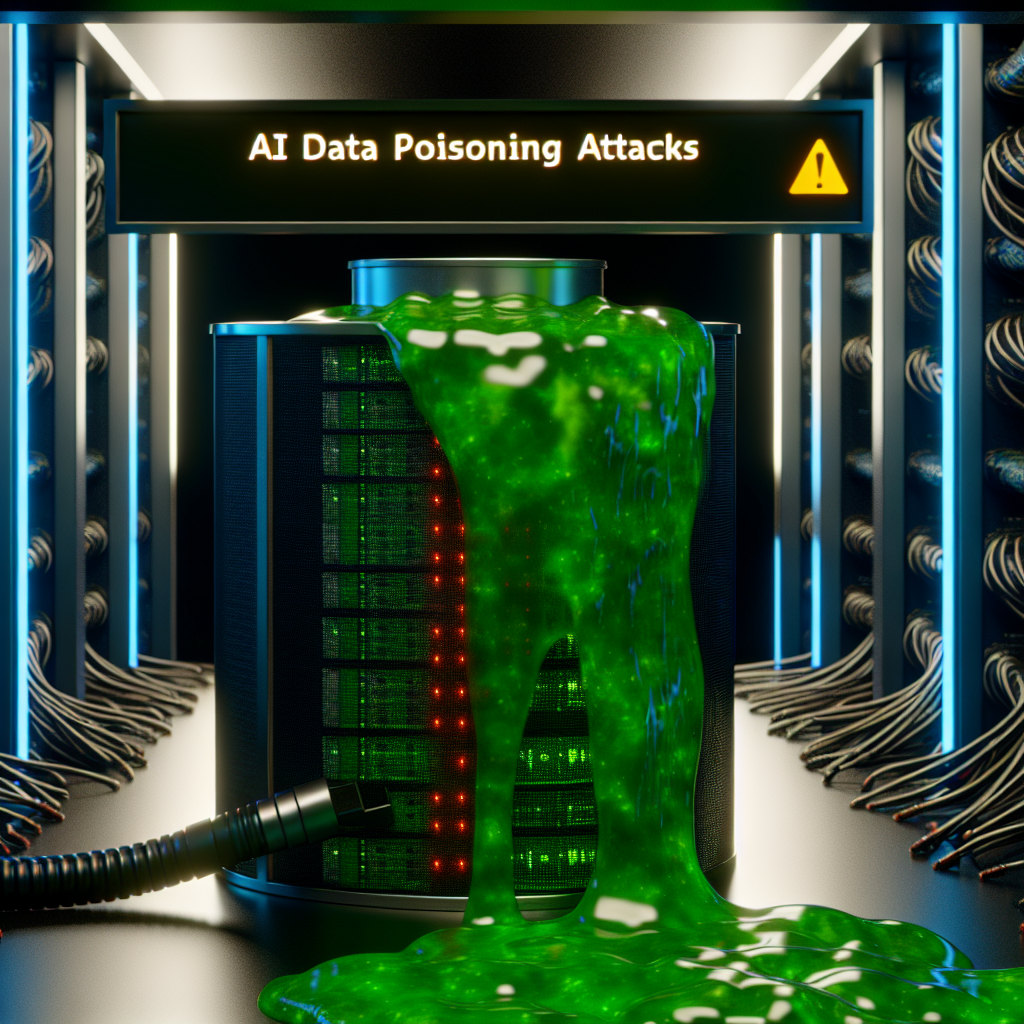
Understanding AI Data Poisoning Attacks
AI data poisoning attacks pose a significant threat to the integrity of machine learning systems, potentially leading to catastrophic outcomes such as financial loss, operational disruption, and reputational damage. These attacks manipulate the training data of AI systems, causing them to produce incorrect or biased results. As AI becomes increasingly integrated into critical sectors like finance, healthcare, and national security, the urgency to address this vulnerability intensifies.
The growing dependency on AI systems amplifies the impact of data poisoning attacks. By altering the data used for training AI algorithms, attackers can subtly influence the decision-making processes, leading to consequences such as flawed financial models, misdiagnoses in medical settings, or even compromised national security protocols. The potential repercussions create a pressing need for robust defenses against such insidious threats.
How AI Data Poisoning Attacks Work
AI data poisoning attacks begin at the data collection phase, where attackers identify and exploit vulnerabilities in data sources. These entry points could be poorly secured APIs, open data repositories, or even public datasets that lack rigorous validation processes. Once access is gained, attackers inject malicious or misleading data into the training datasets of AI models.
The exploitation method involves using tools and techniques to blend the poisoned data seamlessly with legitimate data, avoiding detection. Attackers may employ automation to distribute this data across multiple points, ensuring a broader impact. Once the AI system is trained on this compromised data, it begins to exhibit altered behaviors, such as making biased predictions or failing to recognize threats.
In real-world scenarios, mass scanning tools are often used to identify vulnerable endpoints, while machine learning frameworks are manipulated to incorporate the poisoned data. The actions performed by attackers can range from subtle shifts in model accuracy to complete disruption of AI operations, depending on the sophistication of the attack.
Data Source → Vulnerability Exploitation → Poisoned Data Injection → AI Model Corruption
Real-World Examples and Case Studies
Several high-profile incidents have highlighted the dangers of AI data poisoning. In one case, a financial institution’s AI model was manipulated through poisoned market data, leading to significant trading losses. The attackers introduced skewed data points that caused the AI to make erroneous predictions, resulting in flawed investment decisions.
Another example involved a healthcare AI system used for diagnostic purposes. By injecting false patient data, attackers were able to alter the model’s diagnostic accuracy, leading to incorrect medical recommendations. These incidents underscore the need for enhanced security measures and vigilance in AI training processes.
Defensive Strategies Against AI Data Poisoning
To counter AI data poisoning attacks, organizations must adopt a multi-layered security approach. Rigorous data validation protocols are essential to ensure the integrity of training datasets. Implementing robust access controls and monitoring systems can help detect anomalies in data sources, preventing unauthorized data manipulation.
Advanced SOC tools such as Security Information and Event Management (SIEM) systems and Endpoint Detection and Response (EDR) solutions can play a critical role in identifying and mitigating potential threats. Automated alerting and response workflows within Security Orchestration, Automation, and Response (SOAR) platforms enable rapid detection and containment of suspicious activities.
Implementing Resilient AI Training Frameworks
Developing resilient AI training frameworks involves integrating security considerations from the outset. Data augmentation techniques can be employed to simulate various scenarios, helping AI models to generalize effectively and resist data poisoning attempts. Regular audits and testing of AI models are crucial to identify vulnerabilities and enhance their robustness.
Collaboration with cybersecurity experts and continuous education for AI developers are vital components of a comprehensive defense strategy. By fostering a security-first mindset, organizations can proactively safeguard their AI systems against emerging threats.
Challenges in Detecting and Responding to Attacks
Detecting AI data poisoning attacks poses unique challenges due to the covert nature of these exploits. Attackers often inject data that blends seamlessly with legitimate inputs, making detection difficult. Additionally, the complexity of AI models can obscure signs of tampering, delaying response efforts.
To overcome these challenges, organizations should invest in advanced anomaly detection systems capable of identifying subtle deviations in AI behavior. Developing robust triage and escalation procedures ensures that potential threats are promptly addressed and mitigated.
Future Trends and Considerations
As AI technology evolves, so too will the tactics employed by attackers. The rise of adversarial machine learning, where AI models are used to craft sophisticated attacks, represents a growing concern. Organizations must stay abreast of these trends and continuously adapt their defenses to address new vulnerabilities.
Investing in research and development, along with fostering industry collaboration, will be crucial in developing innovative solutions to combat AI data poisoning. As the landscape of AI cybersecurity continues to shift, maintaining a proactive and adaptive security posture will be essential for safeguarding the future of AI-driven systems.