Introduction to Learn Cybersecurity Resources
In the rapidly evolving landscape of technology, mastering cybersecurity has become crucial for protecting sensitive information and maintaining the integrity of systems. As we approach 2026, the demand for skilled cybersecurity professionals is at an all-time high. Whether you are a beginner or looking to enhance your skills, knowing the best resources to learn cybersecurity is essential. This guide will explore some of the most effective ways to learn cybersecurity, providing you with the tools needed to succeed in this dynamic field.
Online Courses and Platforms
Online courses have revolutionized the way we learn, offering flexibility and access to a wealth of information. Platforms like Coursera, Udemy, and edX provide comprehensive cybersecurity courses tailored to beginners and professionals alike. These platforms offer interactive modules, real-world case studies, and hands-on labs that simulate real attacks, helping you to understand the practical aspects of cybersecurity.
One of the standout features of these platforms is their collaborative learning environment. Students can interact with peers and instructors, participate in discussions, and share knowledge. This community-driven approach enhances learning and provides insights that go beyond traditional classroom settings. For those interested in formal certifications, many courses offer pathways to recognized qualifications in cybersecurity.
Specialized Cybersecurity Programs
For those seeking in-depth knowledge, specialized programs such as the Certified Information Systems Security Professional (CISSP) or Certified Ethical Hacker (CEH) provide structured pathways to advanced skills. These programs delve into specific areas such as network security, cryptography, and ethical hacking, equipping learners with the expertise needed to tackle complex security challenges.
Real-world applications are a key component of these programs, with practical scenarios that mimic actual security breaches. By engaging with these scenarios, learners can develop strategic thinking and problem-solving skills, essential for any cybersecurity professional. Such programs often require commitment and dedication but offer significant rewards in terms of knowledge and career prospects.
Books and Publications
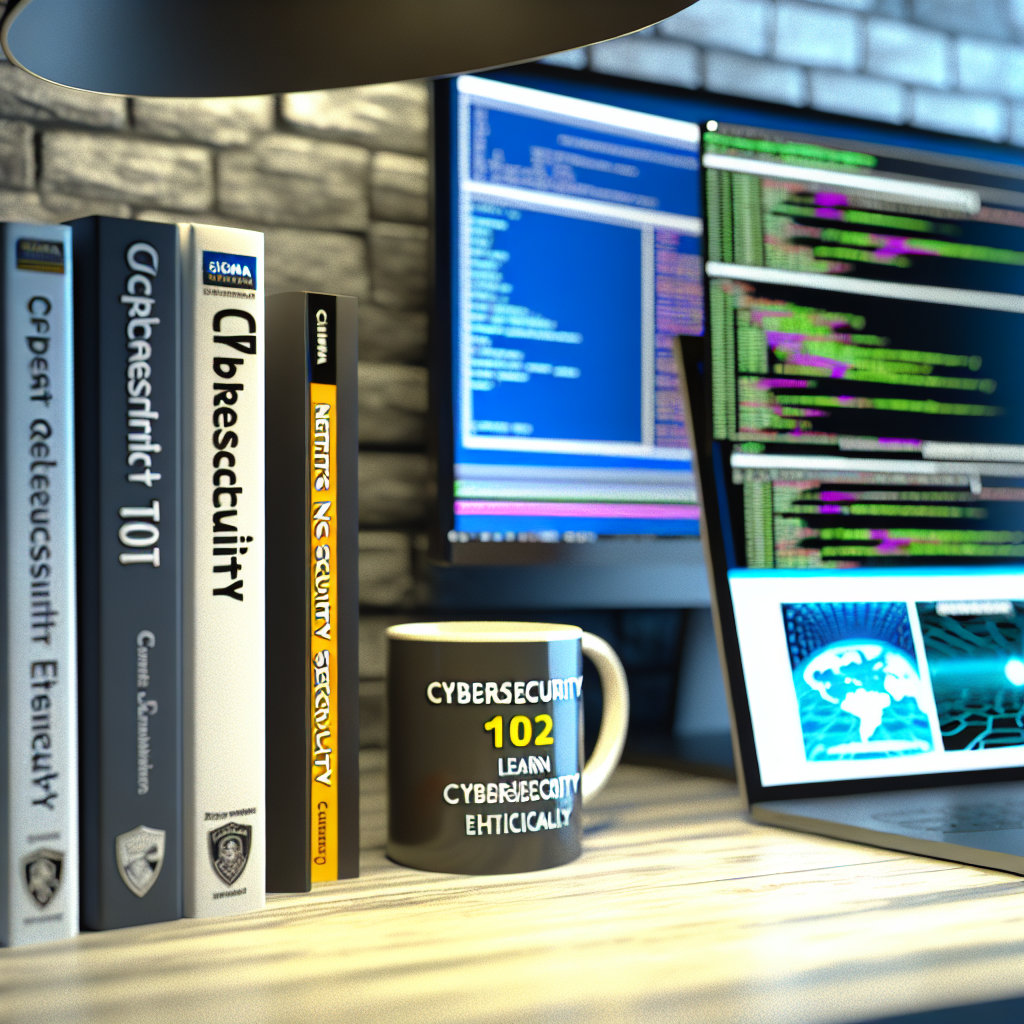
Books remain a valuable resource for those looking to deepen their understanding of cybersecurity. Titles like “The Art of Invisibility” by Kevin Mitnick or “Cybersecurity Essentials” by Charles J. Brooks offer insights into the minds of seasoned professionals and hackers, unveiling the techniques used to secure systems and the psychology behind cyber threats.
Publications from organizations like the National Institute of Standards and Technology (NIST) provide standards and guidelines that are indispensable for anyone serious about cybersecurity. These resources offer theoretical knowledge complemented by practical guidelines, making them ideal for learners who prefer a structured approach to study.
Journals and Research Papers
For those interested in the latest developments in cybersecurity, academic journals and research papers provide cutting-edge information on emerging threats and innovative defense strategies. Journals such as the “Journal of Cybersecurity” publish peer-reviewed articles that cover a wide range of topics, from malware analysis to privacy concerns.
Engaging with these publications keeps learners informed of the latest trends and technologies, fostering a deeper understanding of the cybersecurity landscape. Access to such high-quality information is crucial for those looking to stay ahead in a field that is constantly evolving.
Interactive Learning and Simulations
Interactive learning environments and simulations offer hands-on experience that is invaluable for mastering cybersecurity. Platforms like Cyberbit and RangeForce provide virtual environments where learners can practice defending against simulated cyberattacks. These platforms allow users to apply theoretical knowledge in a controlled setting, enhancing their practical skills.
Simulations are particularly effective for understanding the dynamics of cyber threats and the effectiveness of various defense mechanisms. By engaging in these realistic scenarios, learners can identify vulnerabilities, implement security measures, and evaluate the success of their strategies. This experiential learning approach bridges the gap between theory and practice, making it an essential component of any cybersecurity education plan.
Community Forums and Networking
Engaging with online communities and forums, such as Stack Exchange or Reddit’s cybersecurity subreddits, offers a wealth of information and support. These platforms allow learners to connect with experts, ask questions, and share experiences. The collaborative nature of these communities fosters an environment of continuous learning and growth.
Networking with professionals in the field is another valuable resource. Attending cybersecurity conferences and meetups can provide opportunities to learn from experts, discover new tools and technologies, and gain insights into industry trends. Building a professional network can also lead to mentorship opportunities, job offers, and collaborations on projects.
Podcasts and Webinars
For those with busy schedules, podcasts and webinars offer a convenient way to stay informed about the latest cybersecurity trends. Podcasts like “Security Now” and “CyberWire” provide expert discussions on recent attacks, defense strategies, and technological advancements. These audio resources can be consumed on the go, making them ideal for continuous learning.
Webinars hosted by cybersecurity firms and educational institutions offer insights into specific topics and allow participants to interact with experts in real-time. These sessions often include Q&A segments, providing a platform for learners to clarify doubts and gain deeper understanding. The accessibility and diversity of topics make podcasts and webinars a versatile addition to any learning plan.
Conclusion
As the field of cybersecurity continues to grow and evolve, accessing the best resources to learn cybersecurity is more important than ever. Whether through online courses, books, simulations, or community engagement, there are numerous ways to build a solid foundation in cybersecurity. By leveraging these resources, you can develop the skills needed to protect systems and data in an increasingly digital world.
For those just starting, it’s crucial to begin with a comprehensive plan that includes a mix of theoretical knowledge and practical experience. As you progress, staying updated with the latest trends and technologies will ensure that your skills remain relevant and in demand. Embrace the journey of learning, and equip yourself with the tools needed to succeed in this exciting and vital field.