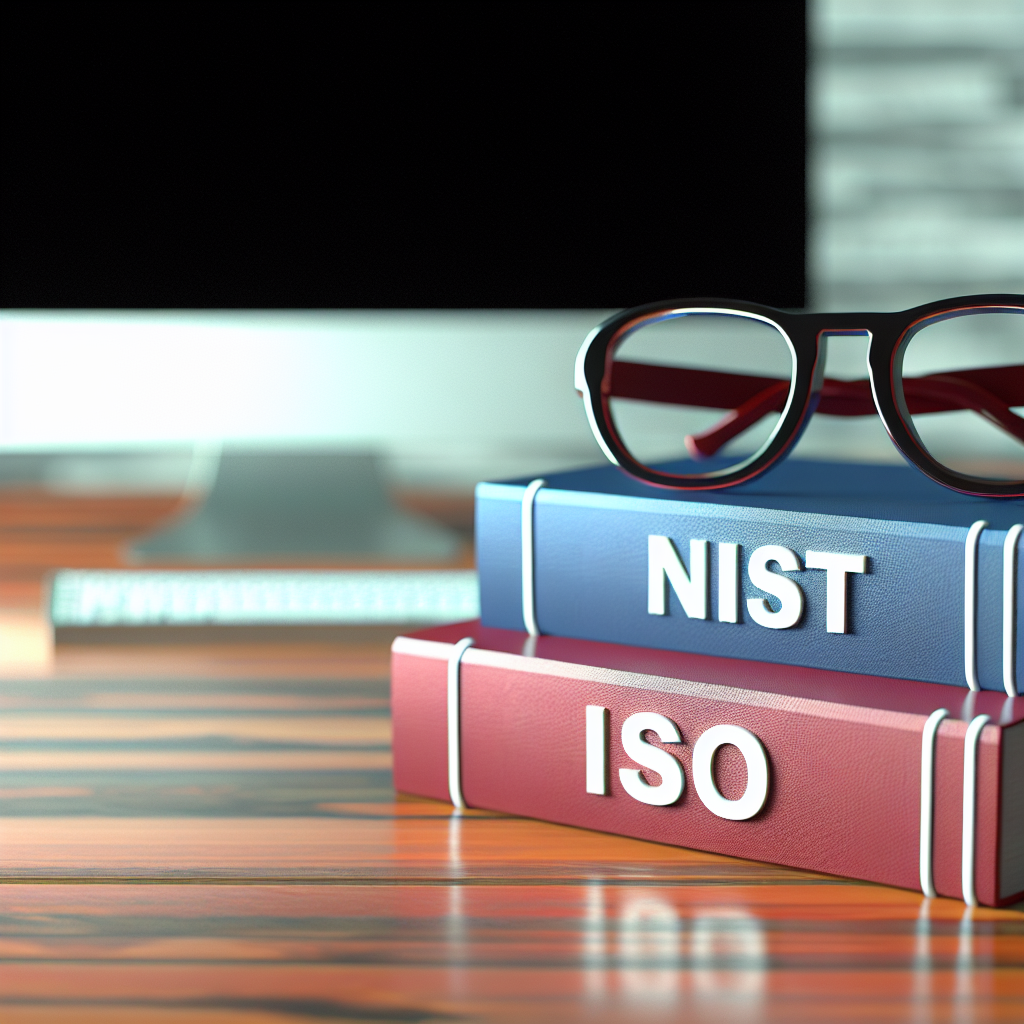
Understanding Cybersecurity Frameworks
Cybersecurity frameworks are essential tools that help organizations manage and reduce cybersecurity risks. These frameworks provide structured guidelines for setting up security controls and processes, which are crucial in today’s digital landscape. In this guide, we will delve into two prominent cybersecurity frameworks: NIST and ISO.
By adopting these frameworks, organizations can establish a robust security posture, ensuring that they are well-equipped to handle potential cyber threats. Let’s explore each framework in detail to understand their unique features and benefits.
NIST Cybersecurity Framework Explained
The NIST Cybersecurity Framework, developed by the National Institute of Standards and Technology, is a policy framework for improving cybersecurity infrastructure. It is widely adopted across various industries due to its comprehensive approach to managing cybersecurity risk.
The framework is structured around five core functions: Identify, Protect, Detect, Respond, and Recover. These functions provide a strategic approach to managing cybersecurity risk, helping organizations align their cybersecurity activities with their business requirements and risk tolerance levels.
Core Functions of NIST Framework
The Identify function focuses on developing an understanding of how to manage cybersecurity risks to systems, assets, data, and capabilities. This function is crucial for setting the stage for effective risk management.
The Protect function outlines appropriate safeguards to ensure the delivery of critical infrastructure services. It involves implementing protective technologies to mitigate the impact of potential cybersecurity events.
ISO Cybersecurity Framework Overview
The ISO 27001 standard is a part of the ISO/IEC 27000 family of standards, which is designed to help organizations keep information assets secure. It provides a systematic approach to managing sensitive company information, ensuring it remains secure from breaches.
ISO 27001 is based on a risk management process, which includes people, processes, and IT systems. This holistic approach ensures comprehensive protection of information assets, making it a popular choice among businesses looking to safeguard their data.
Key Elements of ISO 27001
The ISO 27001 standard emphasizes the importance of a robust risk assessment process. Organizations must identify potential security threats and vulnerabilities, assess the impact of these threats, and implement appropriate risk treatment plans.
Another critical component is the creation of an Information Security Management System (ISMS). An ISMS ensures a coordinated approach to managing information security, aligning it with the organization’s objectives and regulatory requirements.
Implementing Cybersecurity Frameworks in Your Organization
Implementing cybersecurity frameworks requires a strategic approach and commitment from all levels of the organization. Both NIST and ISO frameworks offer flexible structures that can be tailored to fit the specific needs of any organization, regardless of its size or industry.
Start by conducting a comprehensive risk assessment to identify potential vulnerabilities. This assessment will guide the selection of appropriate controls and processes to mitigate risks effectively. Engage stakeholders from various departments to ensure a unified approach to cybersecurity.
Practical Steps for Implementation
To successfully implement a cybersecurity framework, organizations should begin by securing top management support. Leadership buy-in is crucial for allocating necessary resources and fostering a culture of security awareness.
Next, establish a cross-functional team responsible for overseeing the framework’s implementation. This team should include IT professionals, security experts, and representatives from key business units to ensure comprehensive coverage of all security aspects.
Benefits of Adopting Cybersecurity Frameworks
Adopting cybersecurity frameworks offers numerous benefits, including improved risk management, enhanced regulatory compliance, and increased resilience against cyber threats. These frameworks provide a structured approach to identifying and mitigating risks, thereby strengthening the overall security posture of an organization.
Moreover, frameworks like NIST and ISO 27001 help organizations build trust with their customers and stakeholders by demonstrating a commitment to protecting sensitive information. This trust is vital in today’s digital economy, where data breaches can severely damage reputations.
Real-World Examples and Success Stories
Many organizations have successfully implemented cybersecurity frameworks and reaped significant benefits. For instance, a financial institution that adopted the NIST framework reported a 50% reduction in data breach incidents within the first year of implementation.
Similarly, a healthcare provider using ISO 27001 noted improved compliance with healthcare regulations, resulting in fewer audit findings and enhanced patient data protection. These real-world examples highlight the tangible benefits of adopting structured cybersecurity approaches.
Challenges in Implementing Cybersecurity Frameworks
Despite the benefits, implementing cybersecurity frameworks can pose challenges. One common issue is the lack of resources, which can hinder the effective deployment of security measures. Organizations may also struggle with integrating the framework into existing processes and systems.
To overcome these challenges, organizations should focus on building a robust security culture. Training and awareness programs can help staff understand the importance of cybersecurity and their role in maintaining it. Additionally, leveraging technology solutions and external expertise can support the framework implementation process.
Strategies for Overcoming Implementation Hurdles
One effective strategy is to adopt a phased implementation approach. This allows organizations to gradually integrate cybersecurity practices, making it easier to manage resources and track progress. Regular reviews and updates of the framework can also help address emerging threats and adapt to changing business needs.
Furthermore, organizations should consider collaborating with industry peers and participating in cybersecurity forums. Sharing experiences and best practices can provide valuable insights and help organizations enhance their cybersecurity strategies.
Conclusion
In conclusion, cybersecurity frameworks like NIST and ISO provide essential guidelines for safeguarding information assets and managing cybersecurity risks. By understanding and implementing these frameworks, organizations can enhance their security posture, ensure compliance, and build trust with stakeholders.
While challenges exist, a strategic approach and commitment to continuous improvement can help organizations successfully navigate the complexities of cybersecurity. Adopting these frameworks is a crucial step towards a more secure and resilient digital future.
For further reading on cybersecurity best practices, consider visiting our IT Security Resources page or explore more about ISO standards.