Understanding Synthetic Identity AI
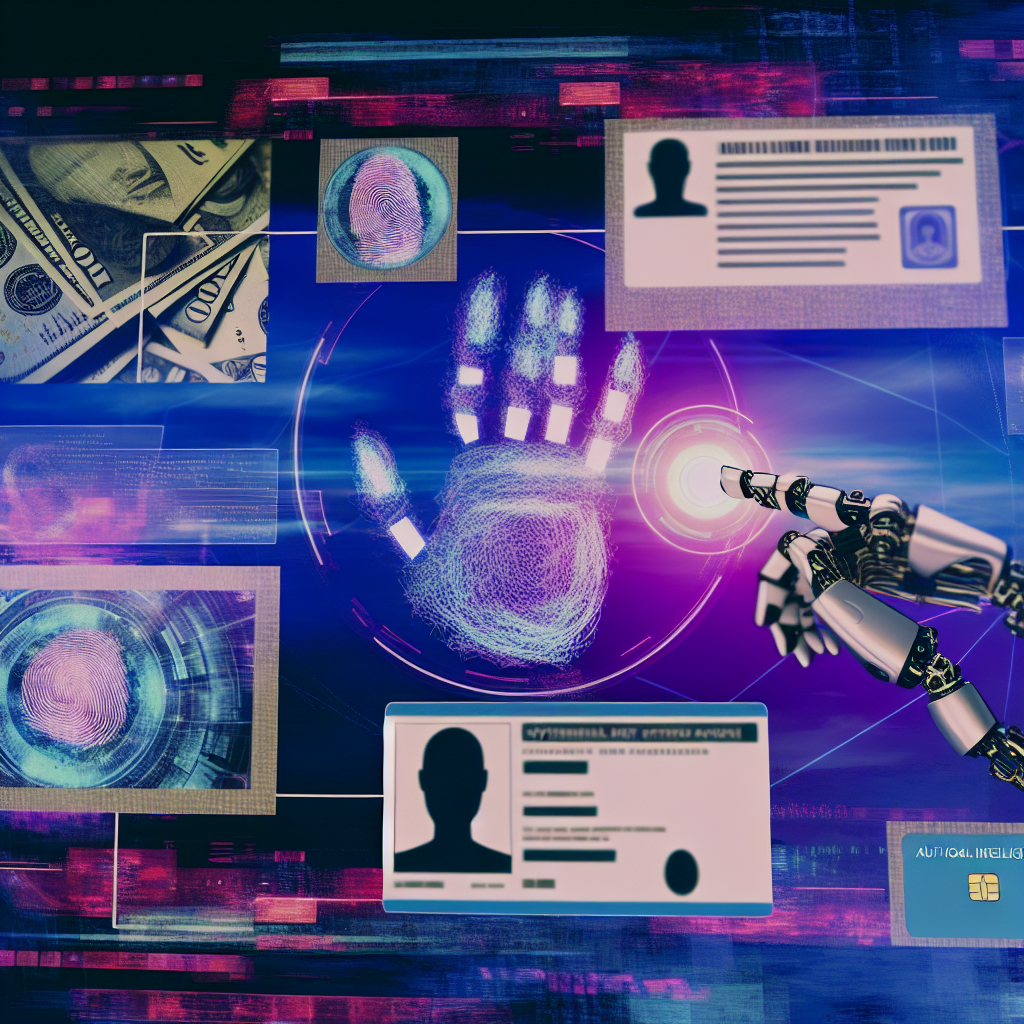
Synthetic identity AI has emerged as a sophisticated tool used in the realm of cybersecurity, both for malicious purposes and defense mechanisms. This concept revolves around creating fictitious identities by combining real and fabricated information. The sophistication of AI technologies has transformed synthetic identity fraud into a formidable challenge for cybersecurity experts. By leveraging machine learning algorithms and vast data sets, fraudsters can create highly believable synthetic identities that are difficult to detect using traditional verification methods.
The rise of synthetic identity AI in fraud schemes poses a significant threat to financial institutions and businesses worldwide. Unlike traditional identity theft, where a victim’s personal information is stolen, synthetic identity fraud involves creating a new identity that does not belong to any real person. Criminals often use these identities to open accounts, apply for loans, and make purchases, leaving financial institutions with significant losses when the fraud is eventually discovered. As AI continues to evolve, so do the methods criminals employ to exploit it for synthetic identity creation.
The Mechanisms of Synthetic Identity Fraud
Understanding the mechanisms behind synthetic identity fraud is crucial for developing effective countermeasures. This type of fraud typically begins with the collection of personal information, often obtained from data breaches, social media platforms, or dark web markets. Criminals then combine these real data points with fabricated elements to form a new identity. For example, a legitimate Social Security number might be paired with a fake name and address, creating an identity that appears authentic at first glance.
AI systems play a pivotal role in refining these synthetic identities. Machine learning models can simulate and predict the likelihood of certain identity combinations being flagged by verification systems. By continuously feeding these models with new data, fraudsters can optimize their fake identities to avoid detection. The AI’s ability to process vast amounts of information quickly makes it possible to test and iterate on thousands of identity combinations, significantly increasing the chances of success.
AI-Driven Identity Verification Bypasses
Fraudsters often use AI to bypass identity verification systems, which rely on various methods such as knowledge-based authentication, behavioral biometrics, and document verification. Machine learning algorithms can analyze patterns in these systems to identify weaknesses and predict successful bypass strategies. For instance, AI can generate responses to knowledge-based questions that match the expected patterns, making it difficult for systems to distinguish between legitimate and synthetic identities.
The use of deepfake technology, a subset of AI, further complicates identity verification processes. Deepfakes can create realistic video and audio representations of synthetic identities, which can be used during video calls or voice verification processes. This adds another layer of complexity for cybersecurity teams tasked with identifying and mitigating synthetic identity fraud.
Real-World Scenarios of Synthetic Identity Fraud
Synthetic identity fraud has been executed in numerous real-world scenarios, often resulting in substantial financial losses and reputational damage. One notable example involved a global financial institution where fraudsters used synthetic identities to open several credit accounts. The criminals maintained these accounts in good standing for months, building a credit history before maxing out the credit limits and disappearing.
In another case, a synthetic identity was used to apply for a car loan, with the fraudsters successfully obtaining a vehicle without ever making a payment. These scenarios highlight the adaptability and patience of fraudsters, who are willing to invest time in cultivating a synthetic identity for maximum financial gain.
Tools and Technologies for Detecting Synthetic Identity Fraud
Given the sophistication of synthetic identity AI, traditional detection methods are often insufficient. Organizations need to adopt advanced tools and technologies to effectively combat this type of fraud. Security Information and Event Management (SIEM) systems, Endpoint Detection and Response (EDR), and Security Orchestration, Automation, and Response (SOAR) platforms are essential components in a modern cybersecurity strategy.
SIEM systems aggregate and analyze data from various sources, providing real-time insights into potential fraudulent activities. EDR solutions monitor endpoints for unusual behavior patterns that may indicate synthetic identity use. SOAR platforms automate the response to detected threats, ensuring quick action is taken to mitigate risks. By implementing these technologies, organizations can enhance their ability to detect and respond to synthetic identity fraud.
Machine Learning in Fraud Detection
Machine learning models are increasingly being integrated into fraud detection systems to identify anomalies and patterns indicative of synthetic identity fraud. These models can analyze vast amounts of data, identifying subtle indicators that may be missed by human analysts. By training on both historical fraud data and legitimate transactions, machine learning systems can develop a nuanced understanding of what constitutes normal and suspicious behavior.
However, the implementation of machine learning in fraud detection is not without challenges. Organizations must ensure that their models are continuously updated with new data to remain effective. Additionally, there is a need for skilled personnel who can interpret the results and fine-tune the models to improve accuracy and reduce false positives.
Defensive Strategies Against Synthetic Identity Fraud
To effectively defend against synthetic identity fraud, organizations must adopt a comprehensive strategy that encompasses prevention, detection, and response. Prevention begins with robust identity verification processes that leverage multi-factor authentication and biometric verification. These measures make it more difficult for fraudsters to successfully use synthetic identities.
Detection involves continuous monitoring for signs of synthetic identity activity. This includes unusual transaction patterns, inconsistencies in customer information, and anomalies in account behavior. Cybersecurity teams must be equipped with the necessary tools and expertise to identify these indicators and take appropriate action.
Implementing a Proactive Defense Posture
Organizations should strive to implement a proactive defense posture, which involves anticipating potential fraud scenarios and preparing defenses in advance. This includes conducting regular risk assessments to identify vulnerabilities and implementing appropriate security controls. It is also important to maintain a robust incident response plan to ensure a swift and effective reaction to any detected fraud incidents.
Additionally, collaboration with industry peers and participation in information-sharing networks can enhance an organization’s ability to stay informed about emerging threats and best practices for mitigating synthetic identity fraud. By fostering a culture of continuous improvement and vigilance, organizations can better protect themselves against this evolving threat.
Challenges and Solutions in Managing Synthetic Identity Fraud
Managing synthetic identity fraud presents several challenges, including the constantly evolving tactics of fraudsters and the need for continuous adaptation of detection and prevention strategies. Organizations must balance the need for robust security measures with the necessity of providing a seamless customer experience.
One effective solution is to invest in advanced analytics and AI-driven monitoring systems that can detect and respond to synthetic identity fraud in real-time. Additionally, organizations should focus on improving data quality and integrity, as accurate data is critical for effective identity verification and fraud detection.
Overcoming Resource Constraints
Resource constraints, both in terms of personnel and technology, often hinder organizations’ efforts to combat synthetic identity fraud. To overcome these challenges, organizations should consider outsourcing certain aspects of fraud management to specialized service providers. This can help alleviate the burden on internal teams and ensure access to cutting-edge technologies and expertise.
Furthermore, investing in employee training and development can enhance the skills and knowledge of cybersecurity teams, enabling them to better understand and address the complexities of synthetic identity fraud. By fostering a culture of continuous learning and adaptation, organizations can stay ahead of emerging threats and maintain a robust defense.
Conclusion: The Future of Synthetic Identity AI
The future of synthetic identity AI is likely to be shaped by ongoing advancements in machine learning and artificial intelligence. As fraudsters continue to innovate, organizations must remain vigilant and proactive in their efforts to combat this threat. By leveraging advanced technologies, improving data integrity, and fostering collaboration, businesses can effectively mitigate the risks associated with synthetic identity fraud.
Ultimately, the key to successfully managing synthetic identity AI lies in a holistic approach that combines technology, processes, and people. By staying informed about emerging trends and continuously improving their defenses, organizations can safeguard themselves against this pervasive threat and protect their financial and reputational assets.