Understanding AI Behavioral Cloning Attacks
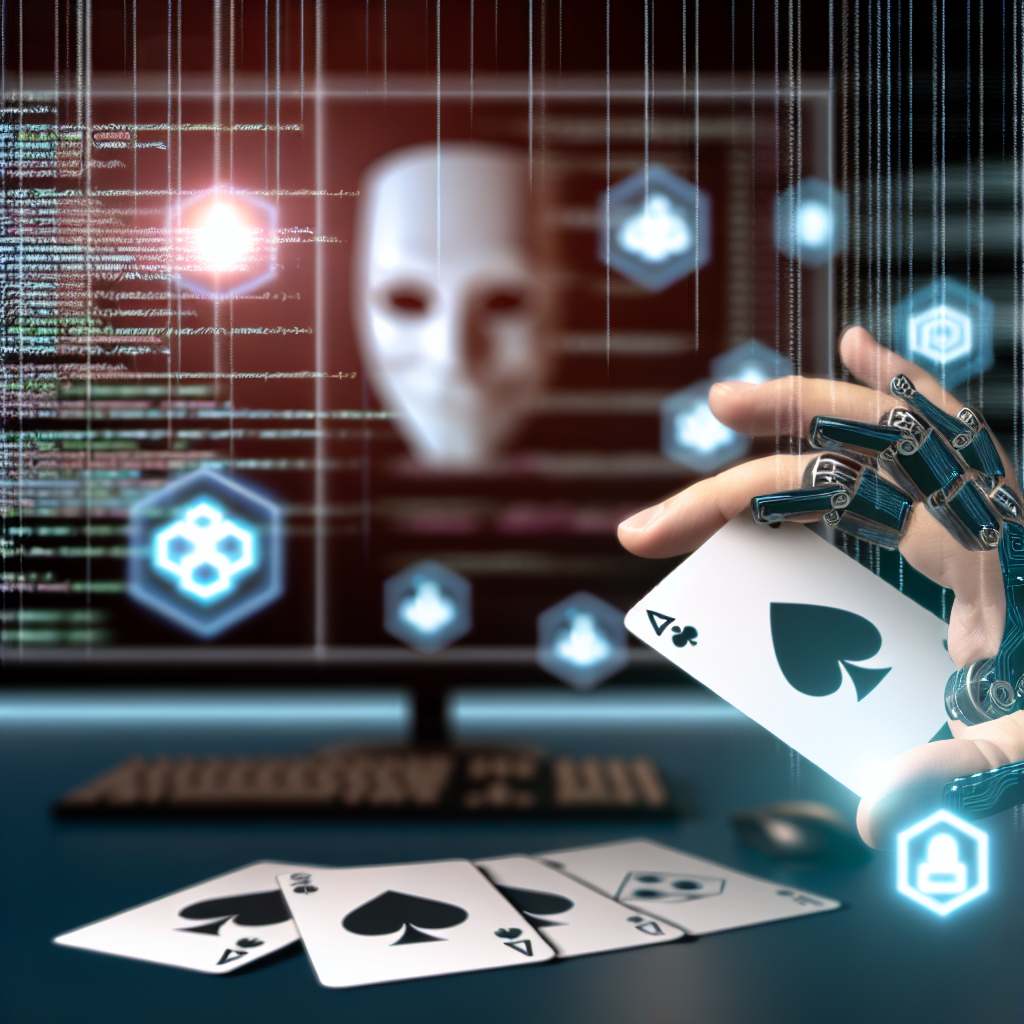
AI behavioral cloning attack is emerging as a sophisticated threat in the realm of social engineering, capable of causing significant data breaches and financial losses. Attackers leverage artificial intelligence to mimic human behavior, creating a sense of urgency as these attacks become increasingly difficult to detect. As organizations continue to integrate AI into their operations, the risk of such attacks grows, leaving sensitive information vulnerable to exploitation.
In recent years, AI-driven techniques have been employed to replicate user behaviors, effectively bypassing traditional security measures. This technique poses a critical challenge for cybersecurity teams, necessitating a deeper understanding of how these attacks operate and how they can be mitigated. The urgency to address these vulnerabilities is paramount, as the potential impacts span from data exposure to severe financial repercussions.
How AI Behavioral Cloning Attacks Work
AI behavioral cloning attacks typically start with the collection of user data from publicly available sources or compromised databases. Attackers then use advanced machine learning algorithms to analyze and replicate user behavior patterns. The entry point for these attacks is often through phishing campaigns or compromised communication channels, where attackers pose as legitimate users or contacts.
Once the desired behavior is cloned, attackers employ various tools and techniques to exploit vulnerabilities within the target’s system. This includes the use of automated scripts and AI-driven bots to mimic actions such as logging into accounts, sending emails, or accessing sensitive data. The exploitation method relies heavily on creating a convincing replica of the target’s digital identity, making detection by traditional security protocols challenging.
The data accessed during these attacks can range from personal identification information to corporate secrets, depending on the attacker’s objectives. Actions performed by the cloned entity can include unauthorized fund transfers, data exfiltration, or spreading malicious software within a network.
User → Phishing Email → Behavioral Cloning → Data Breach
Real-World Attack Patterns and Examples
AI behavioral cloning attacks have been observed in various sectors, with notable cases involving financial institutions and healthcare organizations. In one instance, attackers successfully infiltrated a bank’s internal network by cloning the behavior of a senior executive, enabling unauthorized access to sensitive financial data. This attack pattern is increasingly common, as it combines the elements of social engineering with AI-driven precision.
Another example involves the healthcare industry, where attackers cloned the behavior of medical professionals to access electronic health records. This not only led to data breaches but also posed risks to patient safety by potentially altering medical records. These scenarios highlight the diverse applications of AI behavioral cloning attacks and their potential impact across different industries.
Tools and Techniques Used by Attackers
Attackers employ a variety of tools and techniques to facilitate AI behavioral cloning attacks. Key among these are machine learning frameworks such as TensorFlow and PyTorch, which are used to train models on user behavior data. Additionally, natural language processing (NLP) tools help in mimicking communication styles and crafting convincing phishing messages.
Automated bots and scripts are also integral to executing these attacks. These tools can continuously monitor and adapt to changes in user behavior, ensuring that the cloned behavior remains undetected. Attackers may also leverage social media scraping tools to gather additional data, enhancing the accuracy of the behavioral model.
Defensive Strategies and Mitigation Techniques
To defend against AI behavioral cloning attacks, organizations must implement a multi-layered security approach. This includes enhancing traditional security measures with AI-driven detection systems capable of identifying anomalies in user behavior. Security Information and Event Management (SIEM) systems can be optimized to detect unusual patterns of activity that may indicate a cloning attack.
Employee training is crucial in mitigating the risk of these attacks. Educating staff on recognizing phishing attempts and maintaining rigorous access controls can significantly reduce the likelihood of successful exploitation. Additionally, implementing endpoint detection and response (EDR) solutions can help monitor and respond to suspicious activities in real-time.
Detection and Response Workflows
Effective detection and response workflows are essential in managing AI behavioral cloning attacks. Organizations should establish clear protocols for identifying and escalating suspicious activities. This involves integrating SOAR (Security Orchestration, Automation, and Response) platforms to automate incident triage and response, reducing the time taken to address potential threats.
Regular audits and monitoring of user activities can help in early detection of anomalies. By continuously analyzing user behavior patterns, security teams can swiftly identify deviations indicative of a cloning attack. Having a robust incident response plan in place ensures that any detected threats are promptly addressed, minimizing potential damage.
Enterprise Considerations and Challenges
Enterprises face several challenges in addressing AI behavioral cloning attacks, including the need for specialized cybersecurity expertise and resources. Staffing considerations are critical, as organizations must ensure that their security teams are well-equipped to handle advanced threats. This includes training personnel in the latest AI-driven attack techniques and defensive measures.
Process maturity is another consideration, as organizations must develop and refine their security protocols to effectively mitigate these threats. This involves continuous improvement of security architectures and adopting best practices in AI cybersecurity. Enterprises must also consider the implications of regulatory compliance, ensuring that their security measures align with industry standards and legal requirements.
Advanced Recommendations for Real Environments
For organizations seeking to fortify their defenses against AI behavioral cloning attacks, several advanced recommendations can be considered. Implementing AI-driven user behavior analytics (UBA) can enhance the detection of anomalous activities, providing an additional layer of security. These systems can be configured to alert security teams to potential cloning attacks in real-time.
Organizations should also consider deploying deception technologies, such as honeypots, to lure and identify attackers attempting to clone user behavior. This proactive approach can provide valuable insights into attack methods and enable organizations to better prepare their defenses. Regular vulnerability assessments and penetration testing are essential in identifying and addressing potential entry points for these attacks.
Conclusion
AI behavioral cloning attacks represent a formidable challenge in the cybersecurity landscape, blending advanced AI techniques with the art of deception. As these attacks continue to evolve, organizations must prioritize developing robust defensive strategies to protect against the replication of user behavior. By understanding the mechanics of these attacks and implementing comprehensive security measures, enterprises can better safeguard their assets and maintain the integrity of their operations.