The Importance of Cybersecurity Audits in Modern Compliance
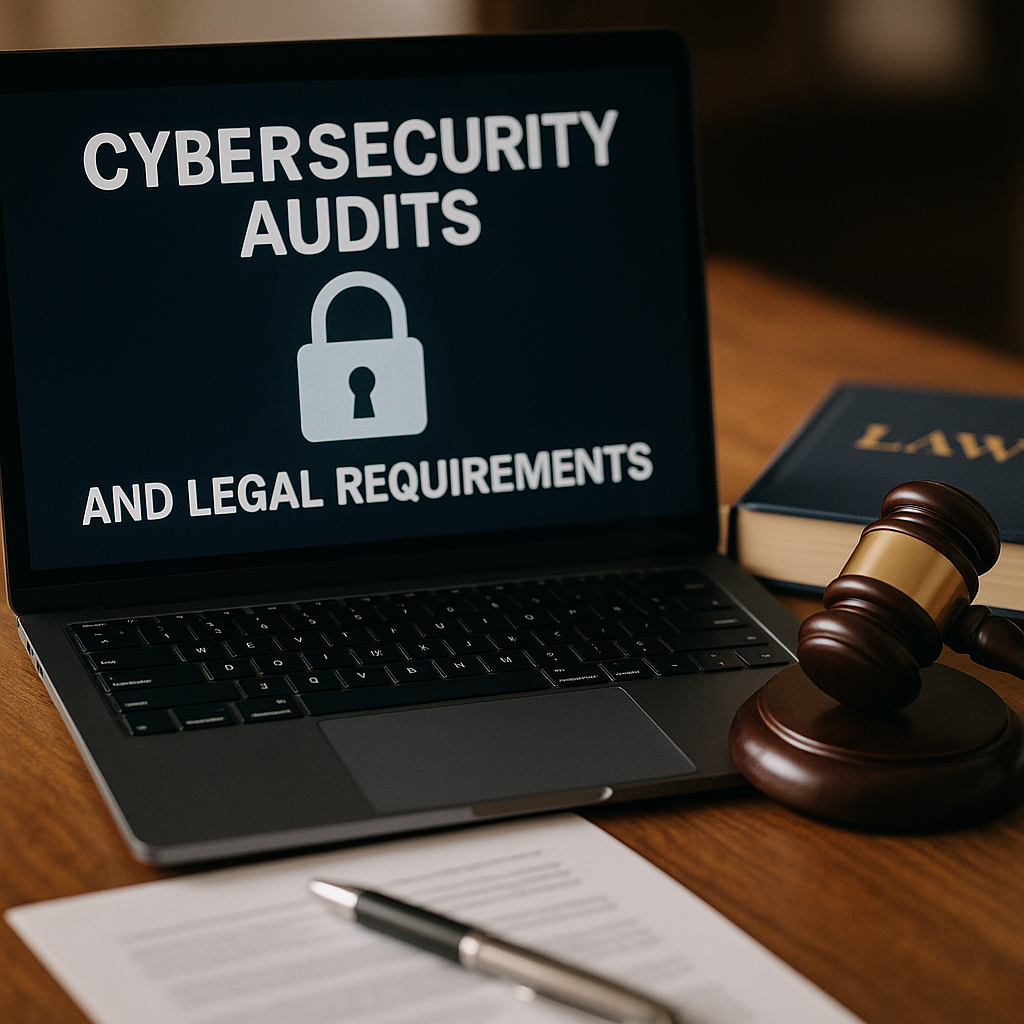
Cybersecurity audits law plays a pivotal role in protecting organizations from the detrimental impacts of data breaches and unauthorized access, which can lead to significant financial losses and reputational damage. As cyber threats evolve, regulatory bodies have tightened their requirements, making cybersecurity audits not just a best practice, but a legal necessity. Organizations failing to comply with these standards risk facing legal actions and hefty fines, as well as damage to their brand credibility.
In an era where data breaches are increasingly sophisticated, cybersecurity audits become indispensable in identifying vulnerabilities and ensuring that an organization’s defenses are robust. These audits serve as a proactive measure, allowing businesses to meet legal requirements and protect sensitive data before an attack occurs. This urgency is underscored by high-profile breaches that have resulted in millions of dollars in fines and settlements, showcasing the critical need for compliance with cybersecurity audit laws.
Understanding Cybersecurity Audit Laws
Cybersecurity audit laws are regulatory frameworks that mandate organizations to conduct regular assessments of their cybersecurity posture. These laws are designed to ensure that businesses implement appropriate safeguards to protect sensitive information from cyber threats. In the United States, regulations such as the Health Insurance Portability and Accountability Act (HIPAA), the Gramm-Leach-Bliley Act (GLBA), and the Federal Information Security Management Act (FISMA) set stringent requirements for cybersecurity audits.
These laws require organizations to regularly evaluate their security controls, identify potential vulnerabilities, and implement corrective actions. Failure to comply can lead to severe penalties, including fines and legal actions. Moreover, compliance with cybersecurity audit laws is often a prerequisite for doing business, especially in sectors like finance and healthcare, where data sensitivity is paramount.
Components of a Comprehensive Cybersecurity Audit
A comprehensive cybersecurity audit involves several key components that collectively evaluate an organization’s security posture. These components include:
- Vulnerability Assessment: This involves scanning systems to identify potential security weaknesses that could be exploited by attackers.
- Penetration Testing: Ethical hackers simulate cyber attacks to test the effectiveness of security controls and identify weaknesses.
- Compliance Review: This ensures that the organization adheres to relevant cybersecurity laws and regulations.
- Policy and Procedure Review: Evaluating existing policies and procedures to ensure they align with best practices and legal requirements.
- Risk Assessment: Identifying and prioritizing risks based on their potential impact on the organization.
Each of these components plays a vital role in ensuring that an organization is adequately protected against cyber threats and compliant with legal requirements.
Explaining a Real-World Attack: Step-by-Step
To understand how cybersecurity audits can protect against attacks, let’s examine a common vulnerability exploitation scenario. One of the frequent entry points for attackers is through unsecured public endpoints exposed to the internet. Attackers often leverage mass scanning tools to identify these vulnerabilities.
Once a vulnerable endpoint is identified, attackers use exploitation frameworks, such as Metasploit, to gain unauthorized access. The attacker may deploy a payload that allows them to execute commands remotely on the compromised system. Through this access, sensitive data can be extracted, or the system can be used as a foothold for further attacks.
Attacker → Vulnerable Endpoint → Exploitation Framework → Unauthorized Access → Data Compromise
This step-by-step breakdown highlights why cybersecurity audits are essential; they help identify and mitigate such vulnerabilities before they are exploited.
Implementing Effective Cybersecurity Audit Strategies
Effective cybersecurity audits require a strategic approach, leveraging a combination of technologies and processes. Key strategies include:
- Using Advanced Tools: Security Information and Event Management (SIEM) systems and Endpoint Detection and Response (EDR) tools can provide real-time insights and alerts.
- Regular Audits: Schedule regular audits to ensure continuous compliance and address emerging threats promptly.
- Employee Training: Educate employees on cybersecurity best practices to prevent human errors that could compromise security.
- Third-Party Assessments: Engage external experts to conduct unbiased audits and provide an objective evaluation of your security posture.
By implementing these strategies, organizations can enhance their cybersecurity defenses and ensure compliance with legal requirements.
Challenges and Solutions in Cybersecurity Audits
Despite their importance, cybersecurity audits present several challenges. These include:
- Resource Constraints: Conducting thorough audits requires skilled personnel and financial resources, which can be scarce.
- Complexity of IT Environments: Diverse and complex IT environments can complicate audit processes.
- Rapidly Evolving Threats: Cyber threats evolve quickly, requiring constant updates to audit methodologies.
Solutions to these challenges involve adopting automation tools to streamline audit processes, investing in ongoing training for staff, and leveraging external consultants to supplement internal capabilities.
Best Practices for Maintaining Compliance
Maintaining compliance with cybersecurity audit laws involves adhering to several best practices:
- Continuous Monitoring: Implement continuous monitoring systems to detect anomalies and respond to threats in real-time.
- Regular Updates: Keep software and systems updated to protect against known vulnerabilities.
- Documentation: Maintain detailed documentation of security policies, procedures, and audit results to demonstrate compliance.
- Incident Response Planning: Develop and regularly update an incident response plan to ensure swift action in case of a breach.
By following these best practices, organizations can not only achieve compliance but also build a resilient cybersecurity framework capable of withstanding sophisticated attacks.
Conclusion: The Future of Cybersecurity Audits and Compliance
The landscape of cybersecurity is continually evolving, with new threats emerging daily. As such, cybersecurity audits and legal requirements will continue to be vital components of an organization’s defense strategy. By staying informed about regulatory changes and adopting proactive audit strategies, organizations can safeguard their data and ensure long-term compliance.
For more information on cybersecurity frameworks and best practices, visit the National Institute of Standards and Technology (NIST).