Cybersecurity Resume Tips: Start Building Your Career
Cybersecurity resume tips can be crucial when aiming to stand out in a field where the stakes are high. With cyber threats increasingly impacting businesses globally, the demand for skilled cybersecurity professionals is soaring. Organizations are losing billions annually due to data breaches and attacks, making your role as a cybersecurity expert more vital than ever. This urgency translates into a fiercely competitive job market, where a well-crafted resume can be your key to unlocking career opportunities.
In this comprehensive guide, we’ll explore actionable tips to build a strong cybersecurity resume. From highlighting your technical skills to effectively showcasing your experience, these strategies will help you make a lasting impression on potential employers.
Understanding the Key Components of a Cybersecurity Resume
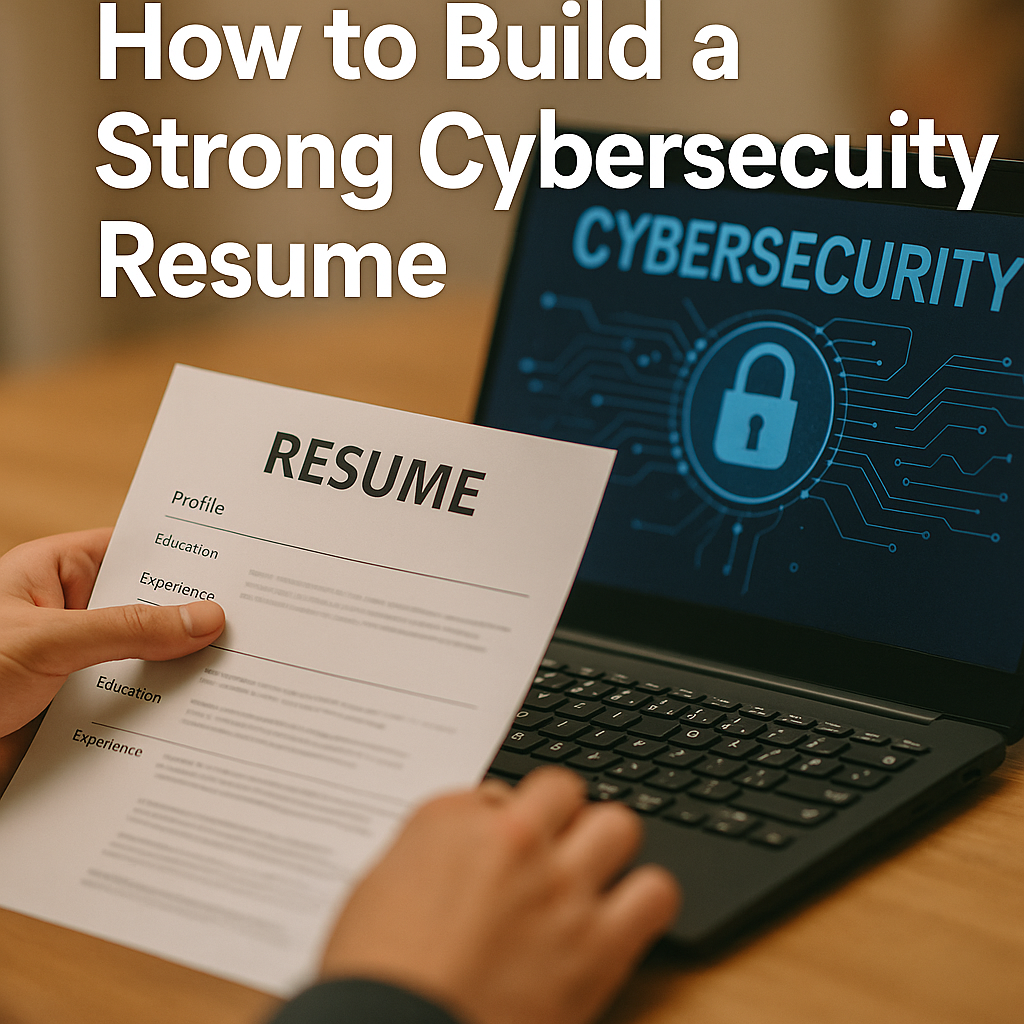
Before diving into specific strategies, it’s essential to understand the fundamental elements of a cybersecurity resume. A well-organized resume typically includes:
- Contact Information: Ensure your name, phone number, and email are easily accessible.
- Professional Summary: A brief introduction highlighting your expertise and career goals.
- Technical Skills: List all relevant skills, including cybersecurity tools and frameworks.
- Work Experience: Detail your previous roles and responsibilities, focusing on cybersecurity achievements.
- Education and Certifications: Include your academic background and any certifications like CEH, CISSP, or CompTIA Security+.
- Projects: Highlight any relevant personal or professional projects to demonstrate practical experience.
Highlighting Technical Skills Effectively
One of the most critical aspects of a cybersecurity resume is showcasing your technical skills. Employers look for candidates proficient in:
- Network Security: Understanding of firewalls, VPNs, IDS/IPS systems.
- Endpoint Security: Knowledge of EDR solutions and malware protection.
- Security Information and Event Management (SIEM): Familiarity with tools like Splunk or IBM QRadar.
- Threat Intelligence: Experience with threat modeling and risk assessment.
To make your skills stand out, tailor your resume to the job description. Use specific keywords and phrases that match the job requirements, and demonstrate how you’ve applied these skills in real-world scenarios.
Crafting an Impactful Professional Summary
Your professional summary is your elevator pitch. It should be concise, engaging, and tailored to the role you are applying for. Focus on your core competencies and how you can add value to the company. For example:
“Dedicated cybersecurity analyst with over 5 years of experience in threat detection and incident response. Proven track record of reducing security incidents by 30% through proactive measures and strategic planning.”
This approach not only highlights your experience but also your impact on previous employers, making you a more attractive candidate.
Detailing Work Experience with Quantifiable Achievements
When listing your work experience, focus on achievements rather than responsibilities. Use quantifiable results to demonstrate your contributions. For instance:
- Implemented a new SIEM solution that reduced incident response times by 40%.
- Led a team in identifying and mitigating a critical security vulnerability, preventing a potential data breach.
- Successfully conducted security awareness training, increasing compliance by 25%.
These examples show potential employers how you can make a tangible difference within their organization.
Showcasing Education and Certifications
In the cybersecurity field, certifications can be as crucial as your degree. They demonstrate your dedication and expertise. Common certifications include:
- Certified Ethical Hacker (CEH)
- Certified Information Systems Security Professional (CISSP)
- CompTIA Security+
- Certified Information Security Manager (CISM)
List your certifications prominently, and if you are currently pursuing any, be sure to note this as well. This information reassures employers of your commitment to staying current in the field.
Including Relevant Cybersecurity Projects
Projects are an excellent way to showcase your practical skills and problem-solving abilities. Include details such as:
- Development of a honeypot system to track and analyze attack patterns.
- Participation in a Capture the Flag (CTF) competition, demonstrating practical hacking skills.
- Design and implementation of a secure network architecture for a small business.
These projects demonstrate your ability to apply theoretical knowledge in real-world scenarios, which is crucial for any cybersecurity role.
Leveraging Internal and External Resources
As you refine your resume, don’t hesitate to use resources at your disposal. Internal links like our detailed guide on cybersecurity certifications and career advancement in IT can provide additional insights. For external resources, explore authoritative sites such as SANS Institute for the latest trends and skills in demand.
These resources can offer valuable information to enhance your resume and keep your skills up-to-date.
Common Mistakes to Avoid
Creating a cybersecurity resume comes with its challenges, and avoiding common mistakes can be the key to success:
- Overloading with Technical Jargon: While it’s important to showcase your technical skills, ensure your resume is understandable to HR professionals who may not be technical experts.
- Neglecting Soft Skills: Cybersecurity roles require teamwork and communication. Highlight these skills alongside your technical expertise.
- Using a Generic Resume: Tailor your resume for each application, aligning it with the specific job description.
Being aware of these pitfalls can significantly enhance your chances of landing an interview.