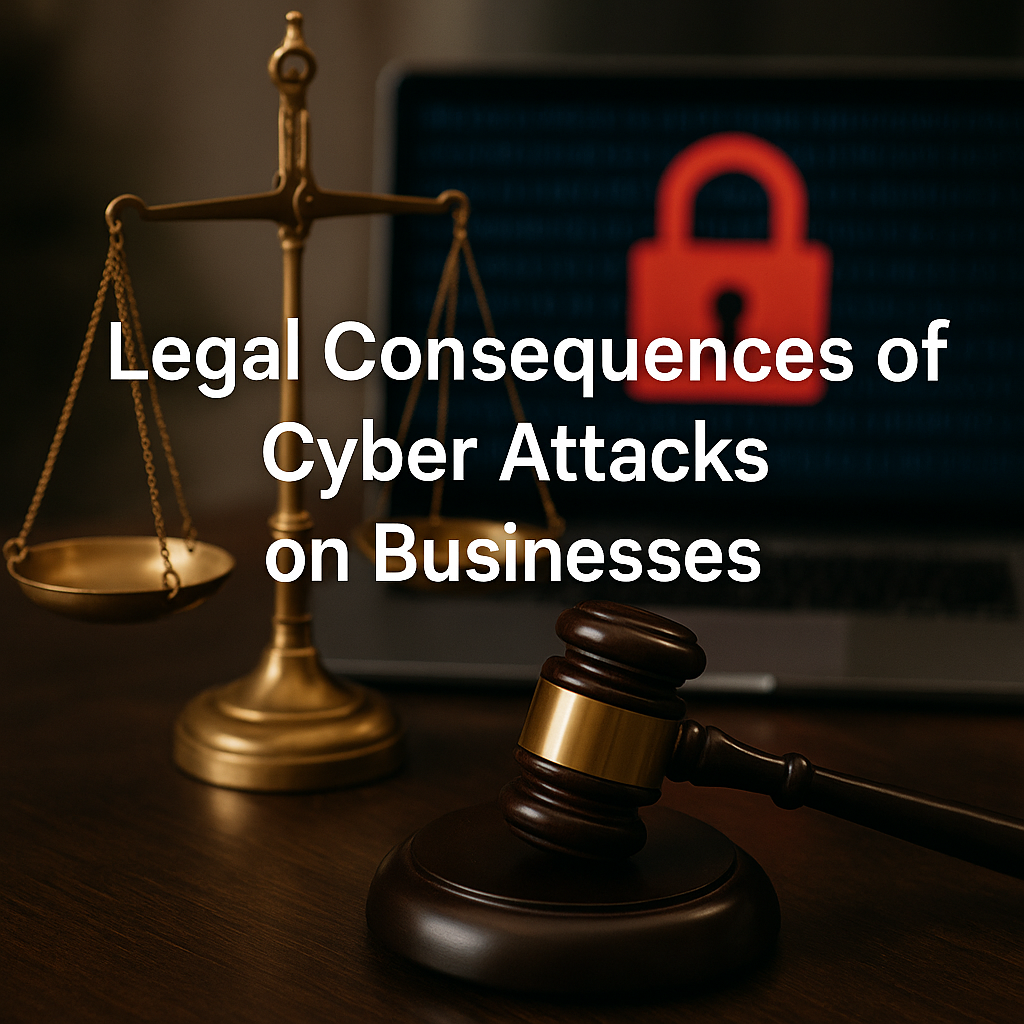
Understanding Cyber Attack Legal Consequences
Cyber attack legal consequences pose a significant threat to businesses, often resulting in severe financial penalties and reputational damage. With high-profile breaches making headlines globally, companies are increasingly vulnerable to cyber threats that can expose sensitive data and disrupt operations. This urgency is further intensified by the rising sophistication of cybercriminals who employ advanced techniques to exploit vulnerabilities.
For any business, understanding the legal ramifications of a cyber attack is crucial. Not only do organizations face regulatory fines and lawsuits, but they also risk losing customer trust and market position. By delving into the legal landscape surrounding cyber attacks, businesses can better prepare and mitigate potential repercussions.
How Cyber Attacks Work: A Step-by-Step Guide
Entry Point
Cyber attacks often begin with identifying weak points within an organization’s infrastructure. Attackers typically target public endpoints, such as web applications or unsecured networks, looking for vulnerabilities or misconfigurations. These entry points are crucial as they provide the initial access needed to infiltrate a system.
Exploitation Method
Once a vulnerability is identified, attackers exploit it using various techniques. This can include launching phishing campaigns to gain credentials or exploiting outdated software. Attackers commonly use tools like Metasploit to automate and streamline the exploitation process, making it easier to penetrate defenses.
Tools and Techniques
Cybercriminals leverage a wide array of tools, from simple scripts to sophisticated malware. Social engineering tactics, such as spear-phishing, are frequently employed to deceive employees into revealing sensitive information. Additionally, tools like keyloggers or ransomware can be used to capture data or lock down systems.
Data Access and Actions
Upon successful exploitation, attackers gain unauthorized access to critical data. They may exfiltrate information, deploy ransomware, or establish backdoors for future access. The goal is often to monetize the breach through data theft or by demanding ransom payments.
User → Public Interface → Misconfigured Permissions → Data Exposure
Legal Frameworks Governing Cyber Attacks
The legal landscape for cyber attacks is complex and varies by jurisdiction. In the United States, laws such as the Computer Fraud and Abuse Act (CFAA) and the Health Insurance Portability and Accountability Act (HIPAA) impose stringent penalties for breaches. The European Union’s General Data Protection Regulation (GDPR) further complicates matters with its rigorous requirements for data protection and breach notification.
These legal frameworks aim to hold organizations accountable for negligence in protecting data. Failure to comply can lead to hefty fines, regulatory scrutiny, and legal action from affected parties. Businesses must stay informed about applicable laws to ensure compliance and avoid punitive measures.
Regulatory Fines and Penalties
Regulatory bodies impose substantial fines on businesses that fall victim to cyber attacks due to inadequate security measures. For instance, under GDPR, companies can face fines of up to €20 million or 4% of annual global turnover, whichever is higher. Similarly, the Federal Trade Commission (FTC) in the U.S. can levy fines for non-compliance with data protection standards.
Besides financial penalties, regulatory actions can mandate corrective measures, such as implementing enhanced security protocols or undergoing regular audits. These requirements can strain resources and impact operational efficiency.
Lawsuits and Class Actions
Following a cyber attack, businesses may face lawsuits from customers, partners, or shareholders. Class action lawsuits are particularly common, as they allow multiple affected parties to consolidate claims against the organization. These legal battles can be lengthy and costly, often resulting in settlements or judgments against the company.
The risk of litigation underscores the importance of robust cyber defenses and comprehensive incident response plans. Companies should proactively manage risks to minimize liability and protect stakeholder interests.
Impact on Business Reputation and Customer Trust
The reputational damage from a cyber attack can be long-lasting and detrimental to a business’s success. Publicized breaches erode customer trust, leading to loss of business and decreased market share. Rebuilding reputation requires significant investment in public relations and customer outreach efforts.
To mitigate reputational harm, organizations should maintain transparency with stakeholders, promptly disclose breaches, and demonstrate commitment to enhancing security measures. Building a resilient brand image is essential for recovery and sustained growth.
Defensive Strategies and Best Practices
Implementing a multi-layered security strategy is vital for defending against cyber attacks. Businesses should employ tools such as Security Information and Event Management (SIEM) systems, Endpoint Detection and Response (EDR) solutions, and Security Orchestration, Automation, and Response (SOAR) platforms to enhance detection and response capabilities.
Regular security audits, employee training, and incident response simulations are essential components of a robust security posture. By continuously evaluating and updating security practices, organizations can better protect themselves from evolving threats.
Conclusion
Understanding the legal consequences of cyber attacks is crucial for businesses aiming to safeguard their operations and reputation. By staying informed about legal requirements and implementing strong security measures, organizations can reduce the risk of cyber incidents and their associated legal repercussions. Leveraging advanced tools and best practices will further empower businesses to navigate the complex cybersecurity landscape effectively.
For further information on cybersecurity best practices and legal guidelines, consider exploring resources from SANS Institute and related authorities.